Off-Grid Gardening: Your Guide to a Bountiful Fall Harvest and Preservation Techniques
Off-Grid Gardening: Your Guide to a Bountiful Fall Harvest and Preservation Techniques
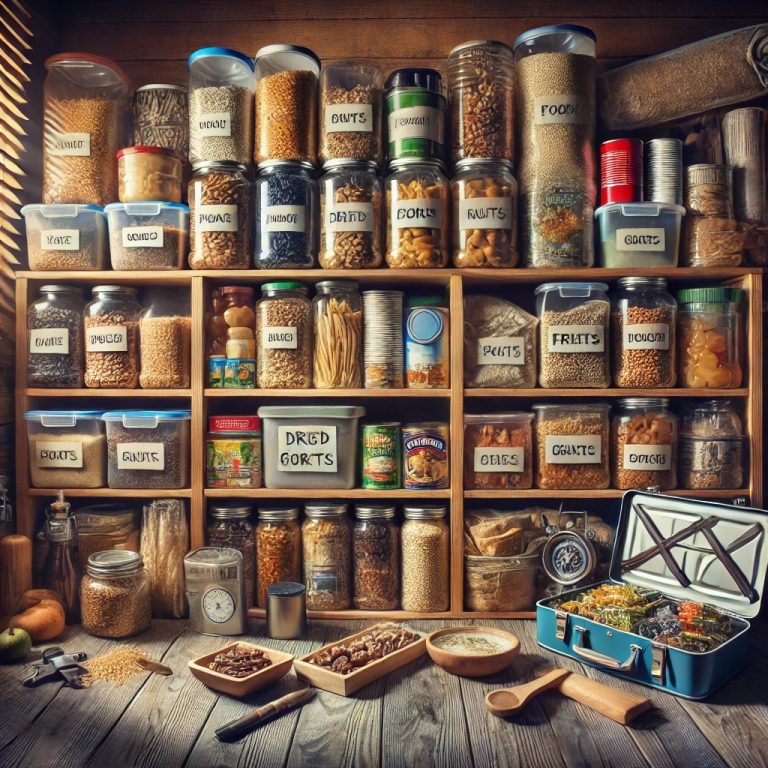
As the leaves begin to change and the crisp air of autumn settles in, off-grid gardening offers a rewarding opportunity to cultivate a bountiful fall harvest that can sustain you well beyond the harvesting season. This guide will walk you through the essentials of growing a thriving fall garden and delve into effective preservation techniques to keep your produce fresh and nutritious. Whether you’re wondering about the harvesting process or asking “what is harvesting of crops?” in the context of emergency preparedness, this piece will equip you with the knowledge to confidently manage your yield. From canning and dehydrating to freezing, we’ll explore various methods to preserve your harvest, ensuring you’re prepared and empowered to enjoy your garden’s bounty long after the first frost.

Mastering Off-Grid Fall Gardening
Understanding Harvesting Season
The harvesting season is a crucial period in off-grid gardening, marking the time when crops are ready to be gathered. In the fall, understanding this season’s timing is vital to maximize your yield before the first frost hits. The harvest meaning in Hindi is “फसल कटाई,” and it signifies the culmination of your hard work throughout the growing cycle. Recognizing the signs that your vegetables and fruits are ready for harvest can make a difference. Look for changes in color, texture, and size as indicators. Root vegetables like carrots and beets are typically ready when they reach a desirable size, while leafy greens can be picked continuously until they bolt. Timing your harvest correctly ensures the best flavor and nutritional value, making it easier to preserve your produce through methods such as canning and freezing. This knowledge is essential for emergency preparedness, ensuring your food supply remains steady.

Essential Fall Crops to Grow
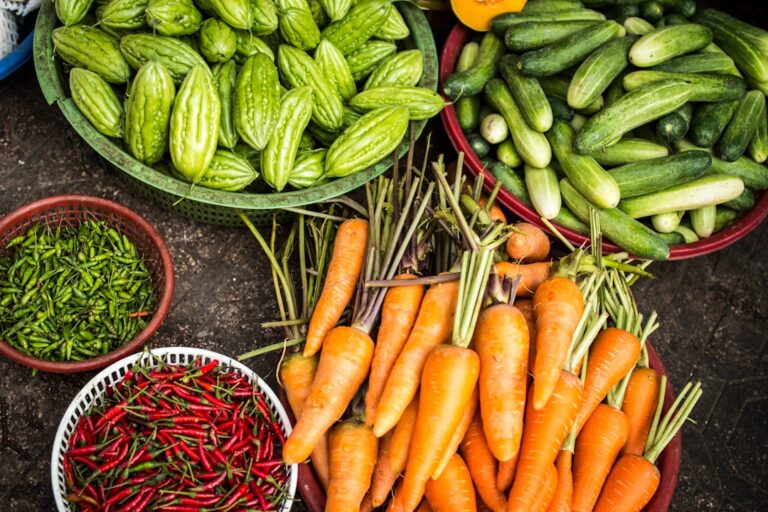
Growing the right crops in the fall is key to a successful off-grid garden. Cooler temperatures and shorter days make it an ideal time for plants that thrive in these conditions. Root vegetables like carrots, radishes, and turnips are excellent choices, as they develop sweet flavors when matured in cool weather. Leafy greens such as kale, spinach, and Swiss chard are other great options, as they grow quickly and can be harvested multiple times. Additionally, consider planting brassicas like broccoli, cauliflower, and Brussels sprouts that flourish during the fall. These crops don’t just provide nutrients and variety; they also help extend your growing season. With the right planning, you can maximize your harvest, ensuring a steady supply of fresh produce. Growing these essentials prepares you for preservation, allowing you to store and enjoy your garden’s bounty throughout the winter months. This approach aligns well with emergency preparedness strategies.

Harvesting Process Essentials
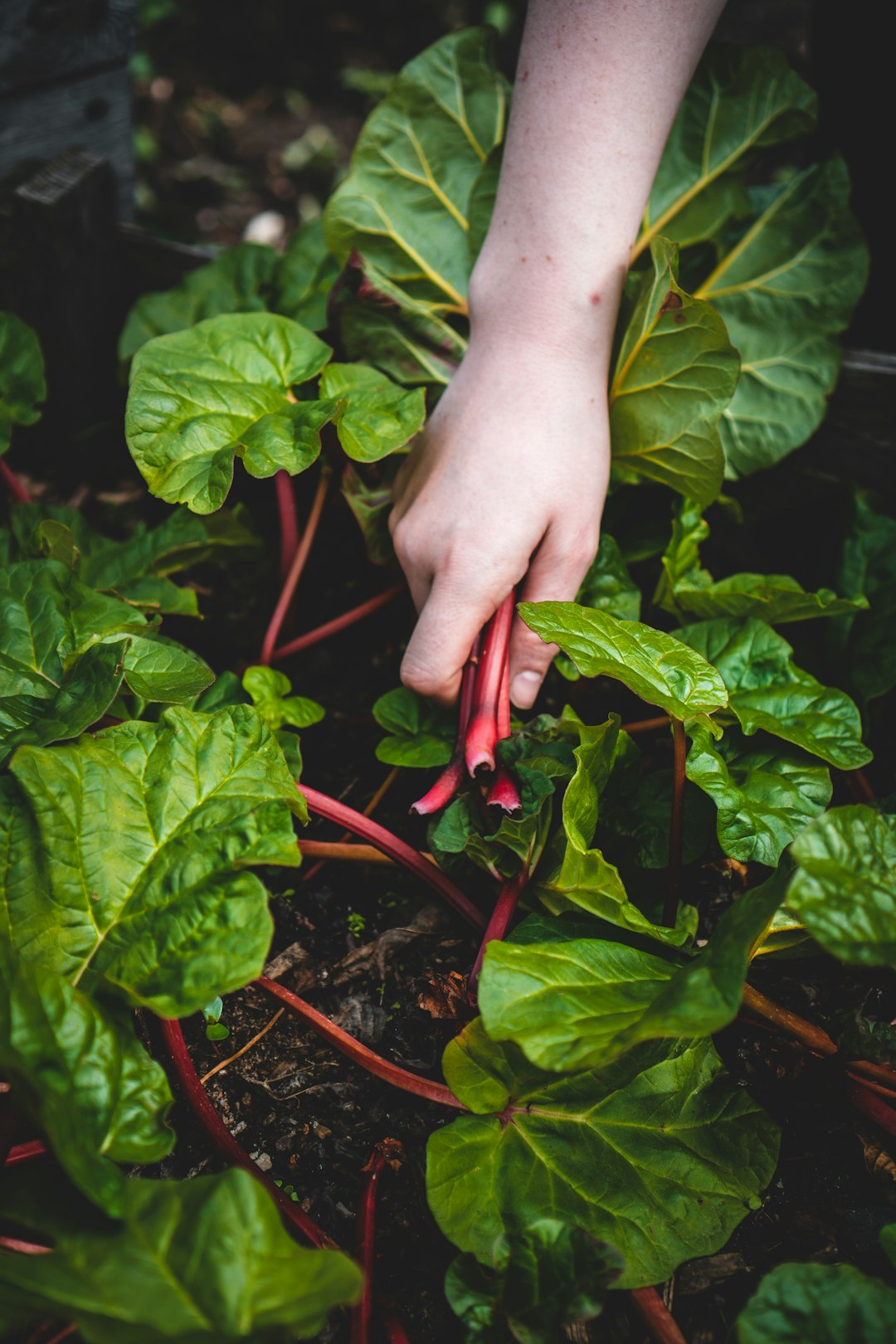
The harvesting process is a pivotal step in off-grid gardening, requiring attention to detail and timing. To begin, ensure you have the right tools, such as sharp scissors for herbs and sturdy spades for root vegetables. Harvesting food at the peak of ripeness ensures maximum flavor and nutritional value. For leafy greens, snip the outer leaves first, allowing the plant to continue producing. When dealing with root vegetables, gently dig around the plant to avoid damage. For fruits like tomatoes and peppers, twist them off the vine when they reach their intended color and size. It’s crucial to perform harvesting during cooler parts of the day, like early morning or late afternoon, to preserve freshness. Understanding what is harvesting of crops in terms of techniques ensures that your efforts yield the best results. With these essentials in mind, you can effectively manage your produce, preparing it for preservation and storage, thereby enhancing your food security.

Get the free Bug-Out Bag checklist
Join the list for instant access to printable preparedness downloads.