From Garden to Pantry: Effective Methods for Preserving Your Fall Harvest
From Garden to Pantry: Effective Methods for Preserving Your Fall Harvest
As the vibrant colors of fall sweep across your garden, it’s time to think about how to make the most of your bountiful harvest. Preserving your fall harvest is not just about storing food; it’s a crucial step in ensuring you’re well-prepared for whatever lies ahead. Whether you’re new to off-grid living or a seasoned prepper, understanding the harvesting process and the importance of harvesting is essential. From canning and dehydrating to freezing, there are numerous methods to preserve the flavors and nutrients of your crops. In this guide, we’ll delve into effective techniques for harvesting food and explore what is harvesting of crops, all while empowering you with the confidence and skills to enjoy the fruits of your labor long after the harvesting season ends.

Effective Harvesting Techniques
Importance of Harvesting
Understanding the importance of harvesting is crucial for anyone looking to make the most of their garden’s yield. Harvesting isn’t just about picking ripe produce; it’s about timing and technique that ensure maximum flavor and nutrient retention. The harvesting process affects the quality and longevity of your stored goods. Properly harvested crops are less prone to spoilage and can be preserved longer, making them vital for preppers and off-grid living enthusiasts. Moreover, knowing what is harvesting of crops can help maintain the health of your plants, leading to better yields in the future. The harvest season provides an opportunity to evaluate your gardening efforts, enabling you to plan and prepare for the next cycle. By grasping the harvest meaning in Hindi and other contexts, you can appreciate the cultural significance of this practice, ensuring a holistic approach to your gardening journey.

What is Harvesting of Crops
Harvesting of crops is the process of gathering mature produce from your garden at the right time to ensure the best quality and yield. This stage is not just about collecting what you’ve grown; it involves techniques that can impact the future productivity of your plants. The harvesting process requires attention to detail, like recognizing when fruits and vegetables are at their peak ripeness. This ensures that you’re capturing the optimal flavors and nutrients. Timing is essential; harvesting too early or too late can affect the quality of your produce. Understanding the nuances of this process, including the cultural harvest meaning in Hindi, helps you appreciate its significance across different practices. The knowledge of effective harvesting techniques is key to maintaining a sustainable garden, ensuring that your efforts in planting and nurturing your crops culminate in a successful and bountiful season.

Harvesting Process Explained
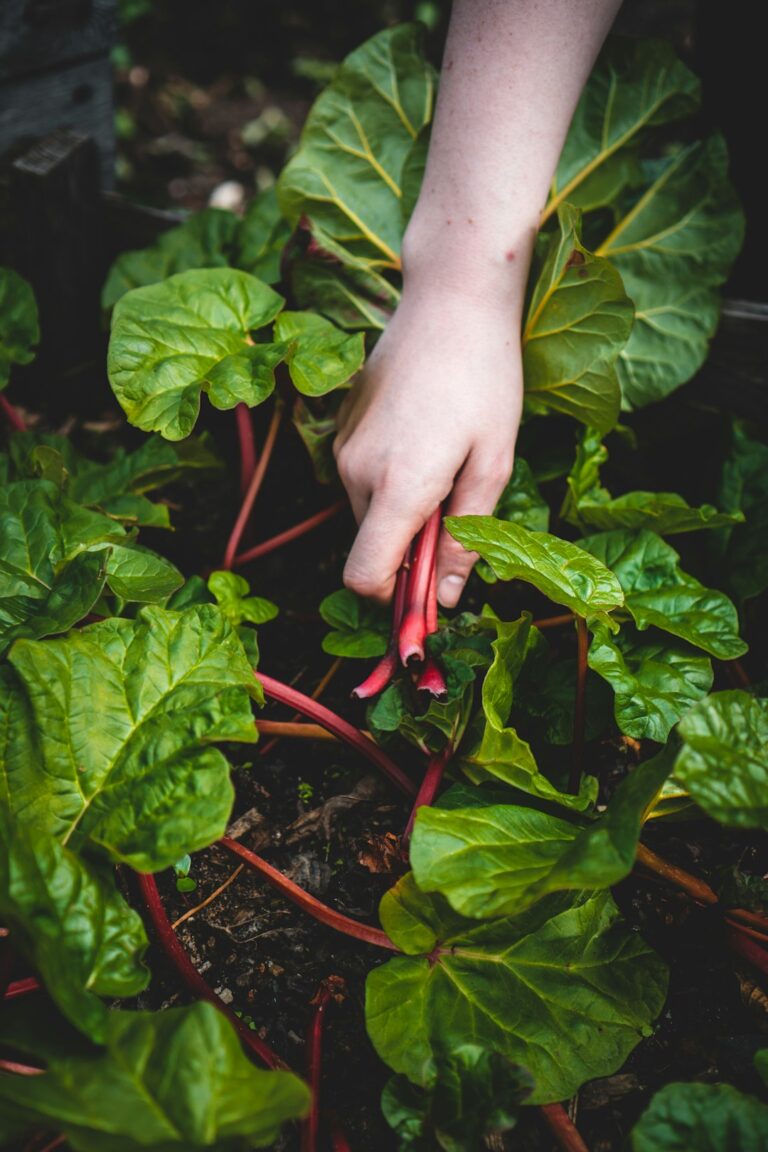
The harvesting process involves several steps that ensure your produce is collected at its best. First, it’s crucial to identify the signs of ripeness specific to each crop, which can vary in color, size, or texture. Using the right tools, like shears or knives, helps prevent damage to both the plant and the produce. It’s important to harvest during the cool part of the day, usually in the morning, to preserve the freshness and reduce stress on the plants. Once harvested, handle your crops gently to avoid bruising, which can hasten spoilage. Immediately move harvested items to a cool, shaded area to maintain their quality. For those embracing off-grid living, understanding this process is essential for efficient food storage and preservation. By mastering these steps, you secure a supply of fresh produce that can be effectively stored and enjoyed well beyond the traditional harvest season.
Get the free Bug-Out Bag checklist
Join the list for instant access to printable preparedness downloads.