Grid Down, Systems Out:
The Cascading Threat of Infrastructure Failure
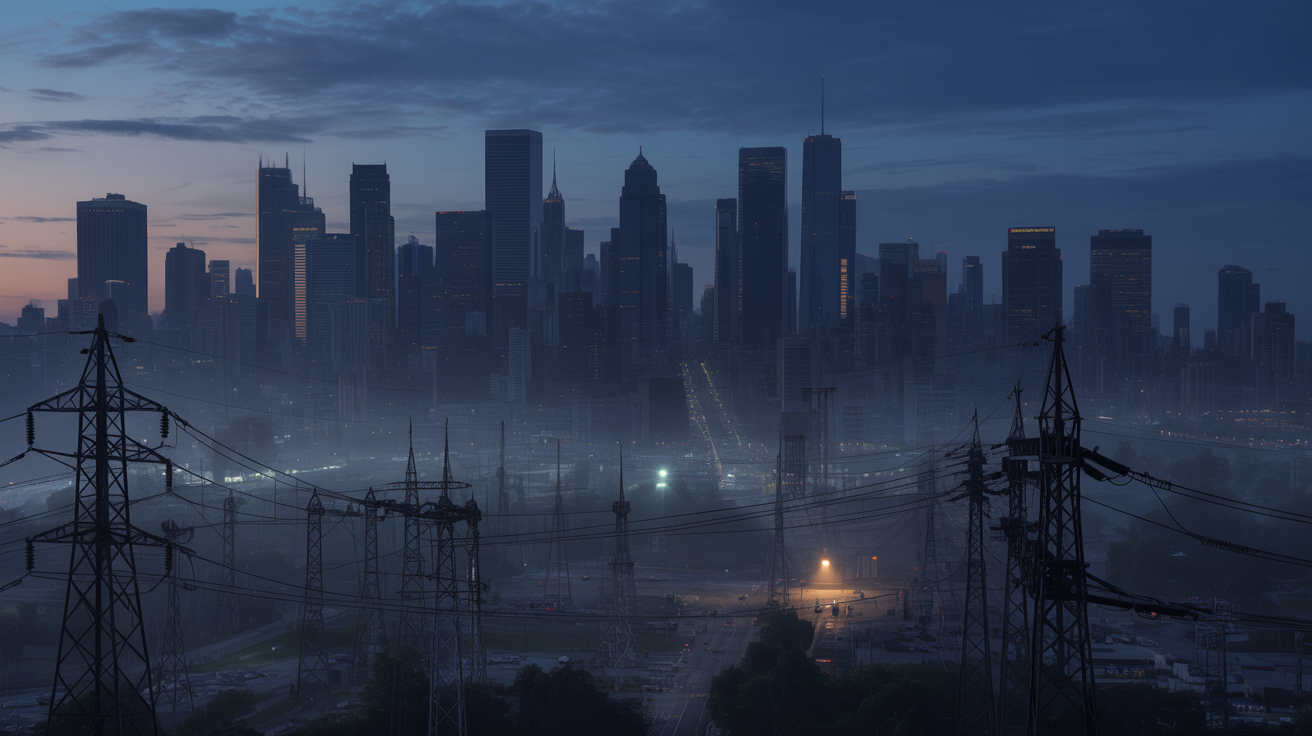
We live in a world of unprecedented convenience, a world powered by the silent, invisible hum of electricity. From the moment we wake up to the moment we go to sleep, our lives are interwoven with a complex web of systems that rely on a stable and continuous flow of power. But what happens when that hum stops? What happens when the grid goes down, not for a few hours, but for days, weeks, or even longer? This isn’t the stuff of Hollywood blockbusters; it’s a real and growing threat that demands our attention. This is the world of “Grid Down, Systems Out,” a scenario where the failure of one critical piece of infrastructure triggers a domino effect, leading to a complete societal breakdown.
This blog post is not about fear-mongering. It’s about understanding the multifaceted threats to our power grid, the cascading consequences of its failure, and the practical steps you can take to prepare for such an event. For those of us in the prepping and survival community, this is the ultimate test of our skills, our foresight, and our resilience.
Part 1: The Multi-Vector Threat to Our Power Grid
The American power grid, a marvel of 20th-century engineering, is now a patchwork of aging components, facing a 21st-century threat landscape. The dangers are not singular; they are a multi-pronged assault from cyberattacks, electromagnetic pulses (EMPs), and even the sun itself.
The Digital Battlefield: Cyberattacks
In the digital age, our infrastructure is no longer just physical; it’s a complex network of interconnected computer systems. This interconnectedness, while efficient, is also a massive vulnerability. State-sponsored hackers, terrorist groups, and even lone-wolf actors are increasingly targeting critical infrastructure, and the power grid is a prime target.
The 2015 attack on the Ukrainian power grid serves as a chilling case study. Russian hackers successfully infiltrated the systems of three energy distribution companies, remotely switching off substations and plunging over 230,000 people into darkness during the dead of winter. This wasn’t a simple power outage; it was a coordinated, sophisticated attack that demonstrated the potential for cyber warfare to have devastating real-world consequences. The attackers didn’t just flip a switch; they also flooded the utility’s call centers with fake calls, preventing legitimate customers from reporting the outage. This is the new face of warfare, and our grid is on the front lines.
The Silent Killer: Electromagnetic Pulses (EMPs)
An EMP is a burst of electromagnetic energy that can disrupt or destroy electronic devices. While the most well-known source of a catastrophic EMP is the high-altitude detonation of a nuclear weapon, non-nuclear EMP weapons (known as “e-bombs”) are also a growing concern.
A large-scale EMP event could be the modern equivalent of a “stone age” event. It wouldn’t just take down the power grid; it would fry the sensitive electronics in everything from our cars and phones to the complex control systems that manage our water, communication, and transportation networks. The Congressional EMP Commission has warned that a nationwide blackout lasting a year or more could kill up to 90% of the American population through starvation, disease, and societal collapse. This is a threat that is as existential as it is invisible.
The Fury of the Sun: Solar Storms and Coronal Mass Ejections (CMEs)
The sun, the source of all life on Earth, is also capable of unleashing incredible destructive power. A coronal mass ejection (CME) is a massive explosion on the sun’s surface that sends a cloud of charged particles hurtling through space. If a powerful CME were to hit Earth, it would induce powerful geomagnetic disturbances (GMDs) in our planet’s magnetic field.
These GMDs can create powerful electrical currents in long conductors, like the high-voltage transmission lines of our power grid. These currents can overload and destroy the large transformers that are the backbone of the grid. The Carrington Event of 1859 is the historical benchmark for a powerful solar storm. It was so intense that it set telegraph offices on fire and created auroras that were visible as far south as the Caribbean. If a Carrington-level event were to happen today, the consequences would be catastrophic. A 2013 report from Lloyd’s of London estimated that a similar event could leave up to 40 million Americans without power for up to two years, with an economic cost of over $2.6 trillion.
Part 2: The Cracks in the Foundation: Aging Infrastructure and Extreme Weather
While the threats of cyberattacks, EMPs, and solar storms are significant, we don’t need to look to exotic weapons or cosmic events to find vulnerabilities in our grid. The simple fact is that our power infrastructure is old, underfunded, and increasingly stressed by the impacts of extreme weather.
A Grid on Life Support
Much of the U.S. power grid was built in the 1950s and 60s, with a projected lifespan of 50 years. We are now living on borrowed time. The American Society of Civil Engineers has consistently given the U.S. energy infrastructure a “D+” grade, citing its age, lack of investment, and vulnerability to outages. The large power transformers that are the heart of the grid are a particular concern. These are custom-built, weigh hundreds of tons, and can take months or even years to replace. A coordinated attack or a powerful solar storm that destroys a significant number of these transformers could lead to a blackout that lasts for years.
The New Normal: Extreme Weather
Climate change is no longer a future threat; it’s a present reality. We are seeing an increase in the frequency and intensity of extreme weather events, and our power grid is not designed to handle them.
- Hurricanes and Floods: Powerful hurricanes like Katrina, Sandy, and Maria have demonstrated the devastating impact of high winds and storm surges on coastal energy infrastructure.
- Wildfires: In the western United States, wildfires are a constant threat to transmission lines. In some cases, utilities have been forced to preemptively shut off power to millions of people to prevent their equipment from starting fires, as we’ve seen with PG&E in California.
- Heatwaves and Cold Snaps: Extreme temperatures put a massive strain on the grid as people crank up their air conditioners or heaters. The 2021 Texas power crisis, which was caused by a severe winter storm, left millions of people without power for days and resulted in over 200 deaths.
Part 3: The Domino Effect: Cascading System Failures
A long-term, large-scale power outage would not be an isolated event. It would be the first domino to fall in a long and catastrophic chain of system failures. Modern society is a complex system of interconnected and interdependent infrastructures. When the power goes out, everything else starts to crumble.
The Water Crisis
Within hours of a grid-down event, the taps would run dry for a large portion of the population. Water and wastewater systems are heavily reliant on electricity to pump water from its source, treat it to make it safe to drink, and then pump it to our homes and businesses. Without power, there is no water. This would not only create a public health crisis due to a lack of drinking water but also a sanitation crisis as sewage systems fail.
The Communication Blackout
In a world without power, our modern communication systems would be rendered useless. Cell towers have backup batteries, but they typically only last for a few hours. The internet would go down, and even landlines, which are increasingly reliant on digital technology, would fail. This communication blackout would not only isolate individuals and communities but also severely hamper the ability of emergency services to respond to the crisis.
The Healthcare Collapse
Hospitals are on the front lines of any disaster, but they are also incredibly vulnerable to power outages. While hospitals have backup generators, they are not designed to run for weeks or months on end. A long-term grid-down event would see hospitals quickly overwhelmed. Life-support systems would fail, refrigerated medicines would spoil, and electronic health records would be inaccessible.
The Empty Shelves: Food and Supply Chains
Our modern food supply chain is a “just-in-time” system that relies on a constant flow of electricity. From the farms that use electric pumps for irrigation to the refrigerated trucks that transport food to the grocery stores that need power to keep their lights on and their freezers running, the entire system is dependent on the grid. In a grid-down scenario, the grocery store shelves would be empty within a matter of days.
The Financial Freeze
In a cashless society, a power outage is a financial apocalypse. ATMs would not work, credit and debit cards would be useless, and the entire electronic banking system would grind to a halt. Without a means of exchange, the economy would collapse, and people would be forced to resort to barter and other primitive forms of trade.
Part 4: Weathering the Storm: Practical Prepping Strategies
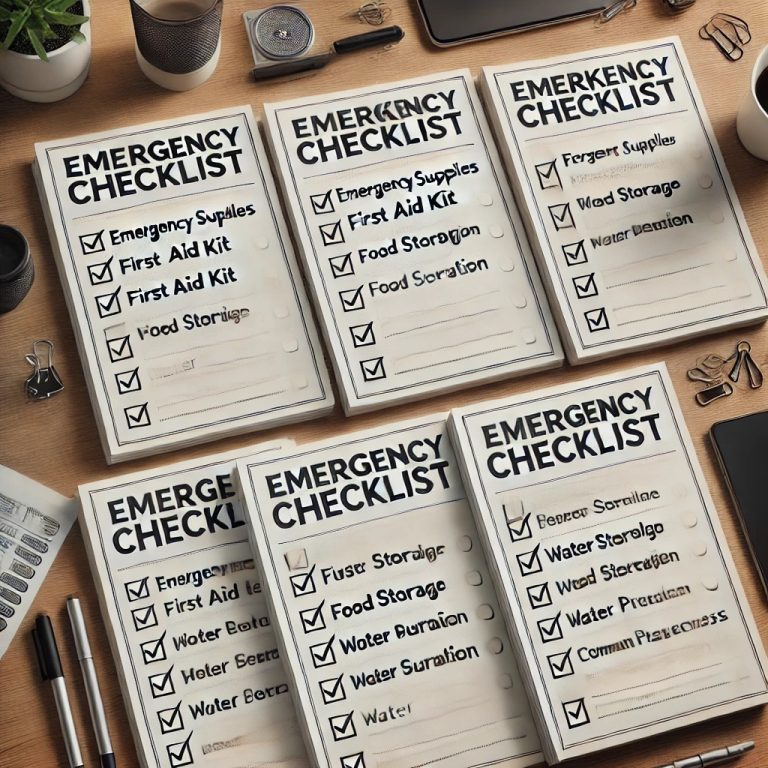
The picture we’ve painted is a grim one, but it’s not hopeless. By taking practical steps to prepare, we can increase our chances of not just surviving a grid-down event, but of thriving in a world without power. The old advice of having a 72-hour kit is no longer sufficient. We need to be thinking in terms of weeks, months, or even longer.
Water: The Elixir of Life
You can survive for weeks without food, but only a few days without water. The standard recommendation is to store one gallon of water per person per day. For a family of four, that’s 120 gallons for a 30-day supply. In addition to storing water, you need to have a way to purify it. This can include high-quality water filters (like a Berkey), purification tablets, or simply boiling it.
Food: Fuel for the Long Haul
Building a long-term food storage is a cornerstone of prepping. Focus on non-perishable items that your family will actually eat. This can include canned goods, rice, beans, pasta, and other dry goods. Consider investing in freeze-dried meals, which have a shelf life of 25 years or more. Don’t forget to store a manual can opener!
Power: Keeping the Lights On
While you may not be able to power your entire house, having a source of backup power can make a huge difference in a grid-down scenario.
- Solar Generators: These are becoming increasingly popular as a clean, quiet, and renewable source of power. A good solar generator can power small appliances, charge your devices, and keep your lights on.
- Gas Generators: These are a more traditional option, but they are noisy, produce fumes, and require a significant amount of fuel storage.
- Power Banks: Even small, portable power banks can be a lifesaver for keeping your phone and other small devices charged.
Communications: Staying Connected
In a world without modern communications, an emergency radio is a must-have. A hand-crank or solar-powered radio will allow you to receive emergency broadcasts and stay informed. For two-way communication, consider investing in a set of walkie-talkies or even a satellite phone. It’s also crucial to have a communication plan with your family and friends.
Health and Hygiene: The Foundation of Resilience
A well-stocked first-aid kit is essential. In addition to the basics, consider adding trauma supplies like tourniquets and chest seals. If you or a family member relies on prescription medications, talk to your doctor about getting an extra supply. Don’t forget about hygiene. Stock up on soap, toothpaste, and other personal care items.
Community and Skills: The Ultimate Prep
The most important prep you can have is a strong community. Get to know your neighbors and build a network of like-minded individuals. In a long-term disaster, you will need to rely on each other for support and security. In addition to building a community, focus on learning practical skills. Gardening, first aid, basic carpentry, and food preservation are all skills that will be invaluable in a world without power.
Conclusion: The Resilient Path Forward
The threat of a long-term grid-down event is real, and the consequences would be catastrophic. But we are not helpless. By understanding the threats, we can take practical steps to prepare. Prepping is not about paranoia; it’s about resilience. It’s about taking responsibility for our own safety and well-being. It’s about building a future where we are not dependent on fragile systems that are beyond our control. The hum of the grid may one day fall silent, but the spirit of human ingenuity and resilience will endure. Start your journey to preparedness today. Your future self may thank you for it.
Get the free Bug-Out Bag checklist
Join the list for instant access to printable preparedness downloads.