The Brittle Economy:
Navigating Persistent Inflation and Supply Chain Collapse
We all feel it. That nagging sense that something is fundamentally “off” with the economy. It’s the sticker shock at the grocery store that never seems to fade, the headline about another distant conflict disrupting the flow of goods, the empty shelf where a common item used to be. For years, we were told this was all “transitory,” a temporary blip. But for those of us who pay attention, it’s clear this isn’t a blip. It’s a fundamental rewiring of the world we knew.
Welcome to the Brittle Economy.
This isn’t your grandfather’s cyclical recession. The system itself has become fragile, prone to shattering under pressure. The interconnected, “just-in-time” global machine that delivered cheap and plentiful goods for decades is seizing up. In its place is a landscape defined by three powerful and interconnected forces: persistent inflation that silently steals your wealth, geopolitical fragmentation that turns trade into a weapon, and structural shortages that make essential goods scarce and unreliable.
For the preparedness-minded community, this isn’t a cause for panic. It is a call for understanding and, more importantly, for action. This post will break down these complex challenges in a clear, no-nonsense way and provide practical, actionable strategies to build your own resilient household economy. It’s time to stop being a passenger on a turbulent ride and start building your own lifeboat.
Part 1: The Silent Thief: Persistent Inflation and Currency Devaluation
Inflation is often described as a hidden tax, but in the Brittle Economy, it’s more like a silent thief in your home. Every night, it creeps in and takes a small piece of your financial security. When you wake up, your bank account balance is the same, but its power—what it can actually buy—is diminished.
What’s Different This Time?
We’ve had inflation before, but the current strain is different. It’s not just cyclical; it’s structural. For decades, central banks and governments have engaged in an unprecedented experiment of debt and money creation. Trillions of dollars, pounds, and euros were printed out of thin air to paper over financial crises and fund massive government spending. For a long time, this new money flowed into assets like stocks and real estate, creating a “wealth effect.” Now, the chickens have come home to roost in the real economy.
This isn’t just about too much money chasing too few goods. It’s about a loss of faith. When a currency is relentlessly debased by its issuers, people and nations begin to lose trust in its long-term value. They start looking for alternatives, things with real, tangible worth.
The Real-World Consequences for Preppers
The official inflation numbers, like the Consumer Price Index (CPI), are often a poor reflection of reality for the average family. The CPI is a weighted basket of goods and services, and it can be manipulated to present a rosier picture. Your personal inflation rate—the price increases on the things you actually buy, like ground beef, gasoline, and electricity—is likely much higher.
This has three devastating effects on your preparedness:
- Erosion of Savings: Your emergency fund, painstakingly saved in cash, is a melting ice cube. The $10,000 you set aside five years ago buys significantly less today. In a high-inflation environment, saving in cash is a guaranteed loss of purchasing power.
- The Illusion of Wealth: Your 401(k) or the value of your home may be going up in dollar terms, but are you actually getting wealthier? If your portfolio grows by 7% but real inflation is 10%, you have experienced a 3% loss in real terms. This nominal confusion masks the slow-motion destruction of wealth.
- The Rising Cost of Prepping: The very goods we need to be resilient are becoming more expensive. Food, ammunition, medical supplies, and hardware are all subject to the same inflationary pressures. The cost of waiting to prepare is steep and gets steeper every month.
This isn’t a uniquely American problem. It’s a global race to the bottom as countries, burdened by insurmountable debt, are forced to devalue their own currencies. This is the essence of currency devaluation: your money is in a competition to become worthless the fastest.
Part 2: A World Divided: Geopolitical Fragmentation and Trade Volatility
For over forty years, the world operated on a simple premise: globalization. Goods were made wherever it was cheapest, shipped across the world in complex “just-in-time” supply chains, and delivered reliably to your local big-box store. This system gave us immense variety and low prices, but it came at the cost of resilience. It was efficient, but it was not robust.
That era is over. We have entered an age of geopolitical fragmentation.
The Great Unraveling
The intricate web of global trade is being torn apart by several key forces:
- Great Power Competition: The era of cooperation has been replaced by an era of competition, most notably between the United States and China, and the West and Russia. Trade, technology, and finance are no longer tools of mutual benefit; they are weapons in a geopolitical struggle.
- Resource Nationalism: When times get tough, nations turn inward. We are seeing a dramatic rise in countries hoarding critical resources for themselves. India bans wheat and rice exports, Indonesia halts palm oil shipments, and nations with energy reserves prioritize their own citizens. The open market is closing.
- Onshoring and “Friend-Shoring”: In response to this volatility, companies are desperately trying to make their supply chains more secure. This means moving production back home (“onshoring”) or to allied nations (“friend-shoring”). While this makes supply chains more reliable, it also makes them far more expensive and less efficient. The cost savings from globalization are evaporating.
What This Means for Your Shopping Cart
This global shift isn’t just an abstract headline; it has direct consequences for your ability to source the goods you need.
- Trade Volatility: A political dispute in a country you’ve never heard of can suddenly halt the production of a critical component for your car. A new tariff can double the price of a tool overnight. An export ban can make a specific food item disappear from shelves for months. Remember the baby formula shortage? That was a stark lesson in the fragility of centralized, globalized production.
- Systemic Unpredictability: The core promise of globalization was predictability. You could count on products being available. That promise is broken. Now, the system is defined by its unpredictability. This makes planning and stocking up not just a wise hobby, but an essential strategy.
Part 3: The Empty Shelf: Structural Shortages of Critical Goods
When you combine a devaluing currency with a fractured global trade system, you get the perfect storm for shortages. These aren’t the temporary, inconvenient shortages of the past. We are now facing the real prospect of structural shortages—long-term deficits in the goods that underpin modern life.
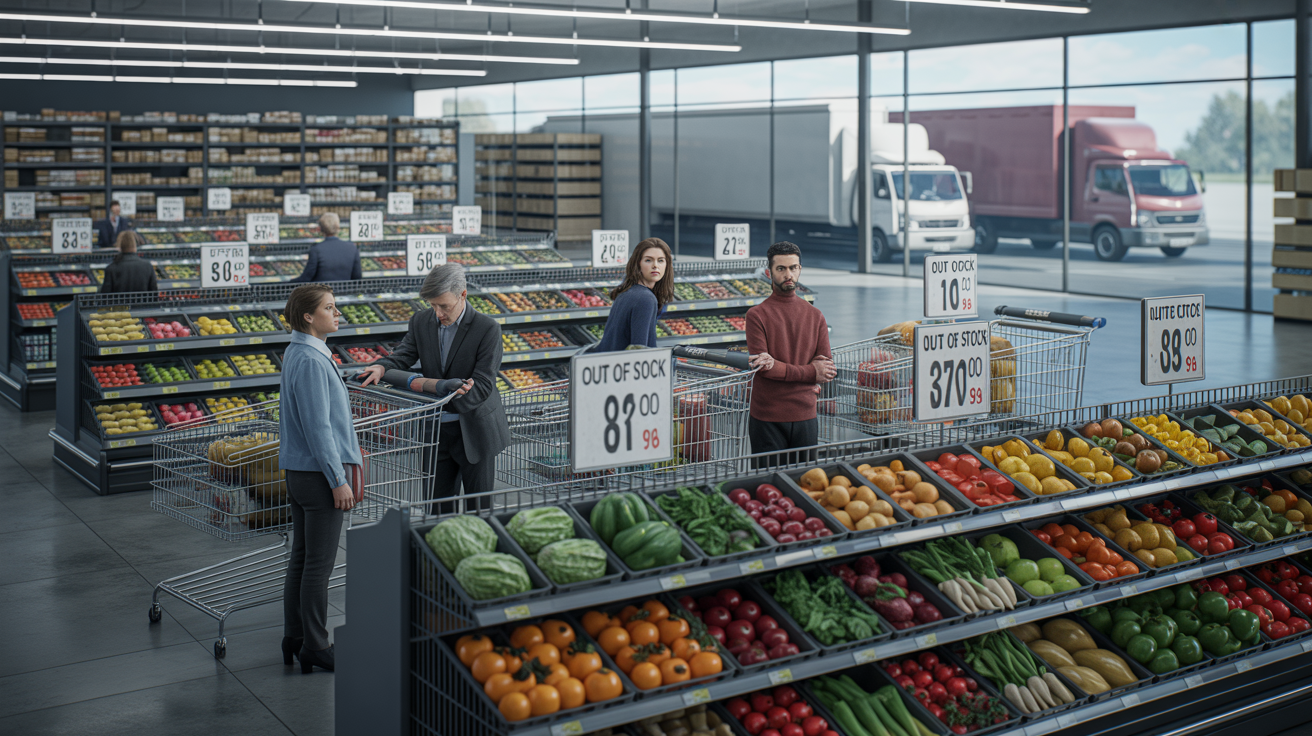
This is where the Brittle Economy truly reveals its nature. The system has lost its redundancy, its “slack.” A small disruption at one end of the chain—a factory fire, a drought, a blocked canal—now sends a bullwhip effect cracking through the entire system, culminating in an empty shelf at your end.
The Choke Points of Modern Life
Several key sectors are flashing red warning lights:
- Energy: Years of underinvestment in reliable energy sources like oil, natural gas, and nuclear power, combined with a rocky and politically-driven transition to renewables, have created a volatile energy market. This doesn’t just mean expensive gasoline; it means expensive fertilizer (made from natural gas), high shipping costs, and the potential for rolling blackouts or brownouts that could cripple everything from food storage to communication.
- Food: Our food supply is far more fragile than most people realize. It is dependent on a handful of grain-exporting nations, stable weather patterns, and cheap fertilizer. All three are now in jeopardy. Fertilizer shortages, extreme weather events, and the use of export bans as a political tool threaten to dramatically reduce global food availability and send prices soaring.
- Critical Components: Modern life runs on a dizzying array of specialized components, from the semiconductors in our phones and cars to the active pharmaceutical ingredients (APIs) in our medicines. The production of these items is dangerously concentrated in a few geographic locations, particularly China and Taiwan. A conflict, a natural disaster, or even just a political decision in that part of the world could bring the global economy to a standstill.
Part 4: The Resilient Prepper: Practical Strategies for a Brittle Economy
Understanding the problem is only the first step. The goal of preparedness is empowerment. It’s about taking control of your life and insulating your family from the failures of a brittle system. This means building your own personal, parallel economy.
Strategy 1: Harden Your Finances
In an environment of currency devaluation, holding cash is a losing game. You must convert devaluing paper money into things of real, tangible value.
- Invest in Hard Assets: This is the cornerstone of financial preparedness.
- Precious Metals: Gold and silver have been a store of value for thousands of years for a reason. They are a hedge against currency failure and a form of financial insurance.
- Productive Assets: Think beyond inert metals. A piece of land, a high-quality set of tools, or a milk cow are all hard assets that can produce value.
- Stockpile Consumables (The Three B’s): The prepper mantra of “Beans, Bullets, and Band-Aids” is more relevant than ever. It represents the three critical classes of consumables.
- Beans (Deep Pantry): Your primary hedge against food inflation and shortages is a well-stocked pantry. Focus on calorie-dense, long-lasting foods that your family will actually eat: rice, beans, oats, pasta, canned meats, fats/oils, and comfort items. Start with a goal of one month of extra food, then three, then six.
- Bullets (Security): This means more than just firearms and ammunition. It means a holistic approach to your family’s safety: hardened doors and windows, a layered home defense plan, situational awareness, and the ability to be the “grey man” who doesn’t draw unwanted attention.
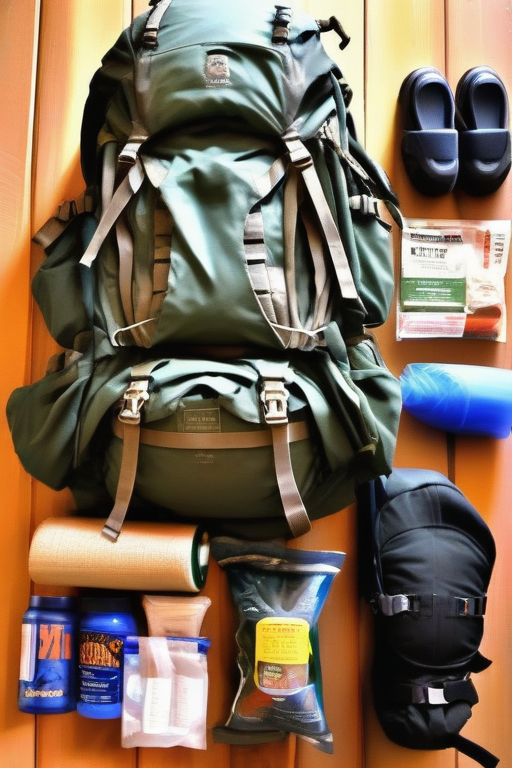
- Band-Aids (Medical): The ability to handle medical issues at home is a critical skill. Build a robust first-aid kit far beyond the basics. Include trauma supplies (tourniquets, chest seals, pressure dressings), a wide range of over-the-counter medications, and work with your doctor to have extra supplies of any essential prescription drugs.
Strategy 2: Build Your Human Capital
The most valuable asset you can have is your own knowledge and skill. In a world where you can’t buy a solution, you must be the solution.
- Become a Producer: Shift your mindset from consumer to producer.
- Food Production: Even a small container garden on a balcony can supplement your food supply. Learn to grow calorie-dense and nutrient-dense foods. Learn how to preserve your harvest through canning, dehydrating, and fermenting.
- DIY and Repair: The ability to fix a leaky pipe, repair a small engine, or mend clothing is a superpower in a brittle economy. Invest in quality tools and, more importantly, the knowledge to use them.
- Medical Training: Go beyond a basic first-aid class. Take a “Stop the Bleed” course, or pursue more advanced training like a Wilderness First Responder or EMT certification. When the ambulance is an hour away, you are the first responder.
Strategy 3: Cultivate Your Community
The myth of the “lone wolf” prepper is a dangerous fantasy. The ultimate survival resource is a strong, trusted community.
- Mutual Assistance Groups (MAGs): Your neighbors are your true first responders. Get to know them now. Build relationships based on trust and mutual respect. A small group of families working together, each with different skills (a nurse, a mechanic, a gardener, a ham radio operator), is exponentially more resilient than any individual.
- Barter and Skill-Share Networks: Think about what you can bring to the table. What skills or goods do you have that would be valuable to others in a crisis? Start practicing barter and local exchange now. It’s a muscle that needs to be developed before you need it.
Conclusion: From Brittle to Resilient
The evidence is all around us. The economic system we have depended on is becoming increasingly brittle, fragile, and unpredictable. We can choose to ignore this reality and hope for a return to a “normal” that is never coming back, or we can face it head-on.
This is not about fear. It is about seeing the world clearly and taking rational, prudent steps to secure your family’s future. It’s about transforming anxiety into action. Every can of food you store, every new skill you learn, every relationship you build with a neighbor is a brick in the wall of your personal resilience.
Start small. Be consistent. Don’t get overwhelmed. The journey to preparedness is a marathon, not a sprint. By understanding the challenges of the Brittle Economy and implementing these practical strategies, you can do more than just survive what’s coming. You can build a life of strength, independence, and confidence, ready to thrive no matter what the future holds.
Get the free Bug-Out Bag checklist
Join the list for instant access to printable preparedness downloads.