Prepper Gear Product Review: Bone Conduction Headset
Ears Open. Eyes Up.
Always On.
Why bone conduction headphones belong in your kit — from the bike trail to the tree stand to the back forty.
// Quick Specs
The Case for Open-Ear Audio in the Field
Let me be real with you from the jump: I was skeptical of bone conduction headphones for a long time. Felt gimmicky. Felt like something marketed to tech bros who jog on treadmills. Then I spent a few years actually using them across different situations — cycling miles on open roads, walking fence lines, spending mornings in a blind before dawn — and now I genuinely don’t reach for anything else.
The basic idea is simple: instead of pushing sound through your ear canal, bone conduction transducers sit against your cheekbones and send sound vibrations directly to your cochlea. Your ears stay completely open. You hear your audio. You also hear everything around you. Those two things happen at the same time, without compromise.
For the prepper, the homesteader, the hunter, the cyclist — that’s not a nice-to-have. That’s how audio gear should work.
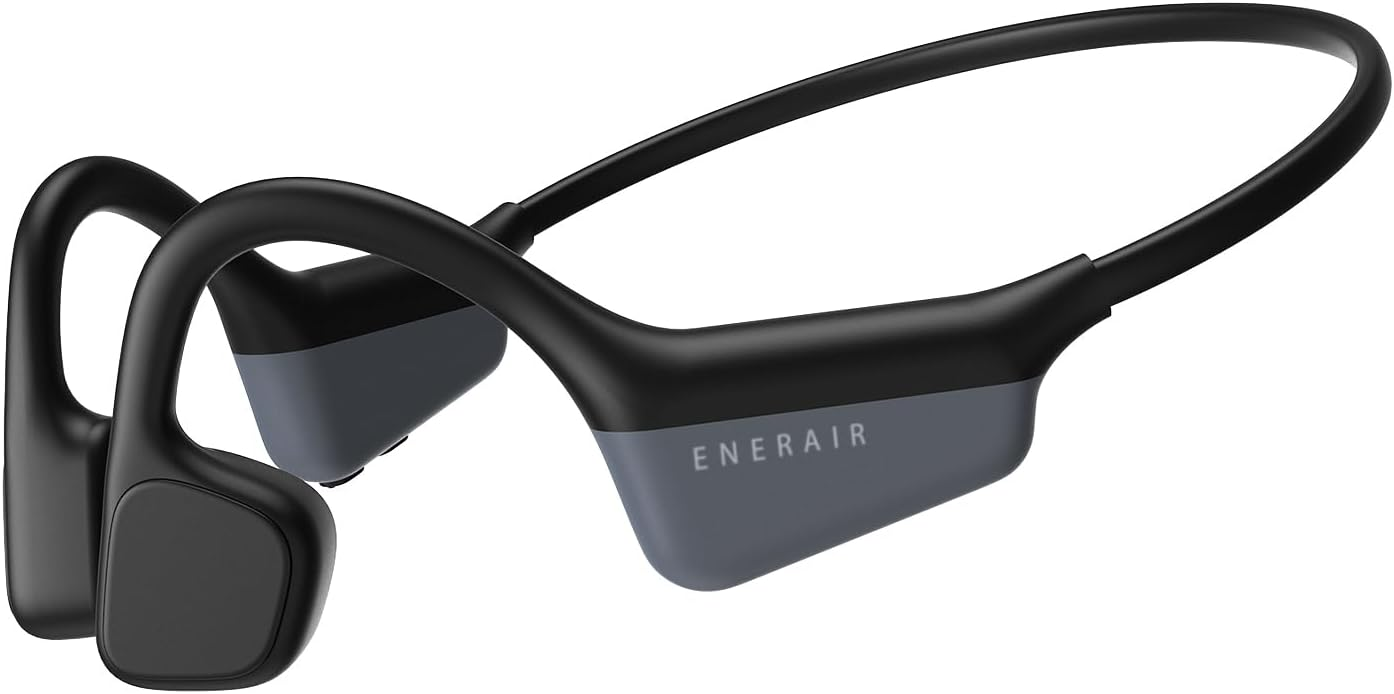
What We’re Looking At: The Enerair (MALEROADS) B0C48DW18T
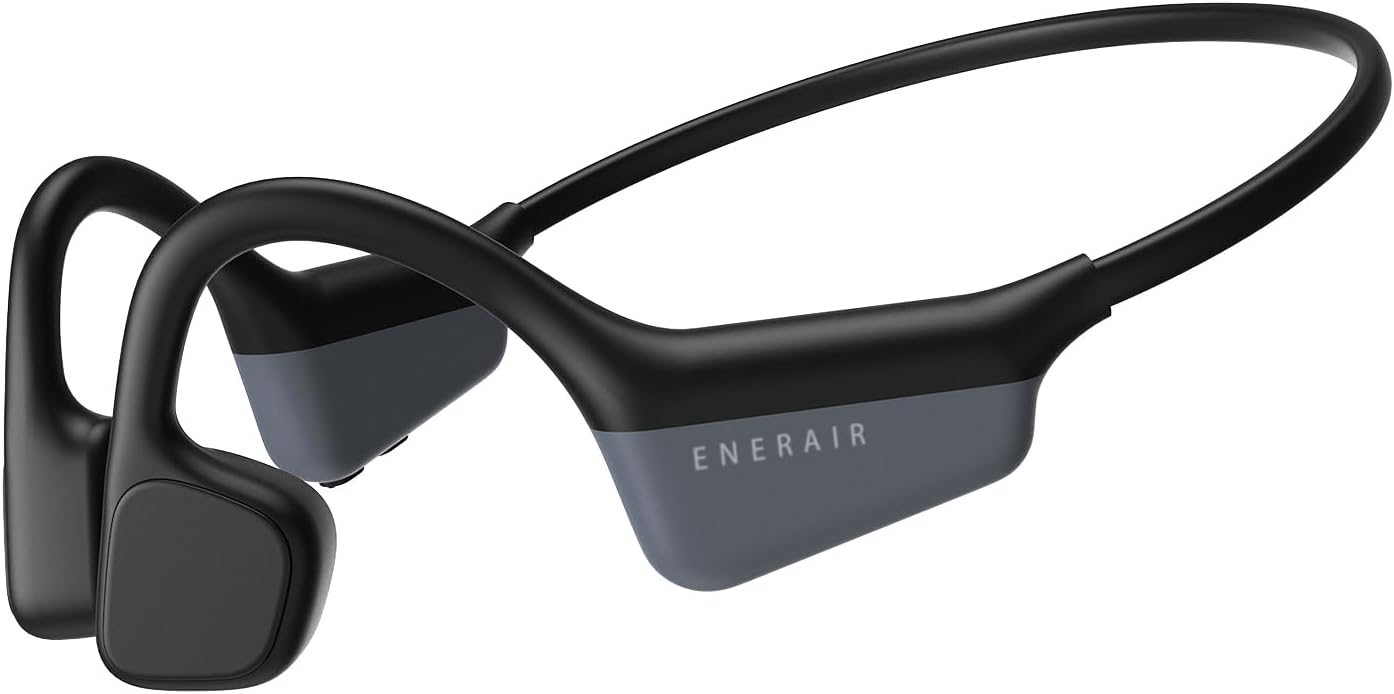
This unit is marketed under the Enerair brand name on Amazon — a label from MALEROADS positioned at the budget end of the bone conduction market. At this price point, you’re not getting Shokz-tier audio fidelity or a titanium wraparound frame. What you are getting is a 27-gram open-ear headset with a 15.2mm bone conduction driver, Bluetooth 5.3, a 14–15 hour battery, and a legitimately functional ENC microphone — for a fraction of what premium brands charge.
I want to be straight about what this thing is and what it isn’t. It’s a practical, daily-carry piece of kit for active people who need awareness more than audiophile quality. Let’s break it down by use case.
On the Bike: My Primary Use Case
This is where bone conduction makes the most difference for me personally, and I want to walk you through exactly why.
When you’re clipping along at 18 mph on a two-lane county road with earbuds jammed in, you are willfully blinding yourself to an entire category of threat information. Traffic approaching from behind. A dog breaking from a driveway. Gravel shifting under a wheel. Your own breathing and heartrate, which tell you things about your effort level that a fitness app can’t. You lose all of that when you seal your ears off from the world.
With the Enerairs sitting against my cheekbones, none of that goes away. The transducers are low-profile enough to fit under a bike helmet without the usual pressure points you get with over-ear designs. At moderate volume — which is where you’ll naturally land with these, since you have full environmental awareness — the audio is genuinely clear. Podcasts are intelligible. Audiobooks are followable. Phone calls come through cleanly on both ends thanks to the ENC mic, even with wind noise at speed.
The 14–15 hour battery is a legitimate differentiator for me here. A long riding day is 4–5 hours in the saddle. I charge this thing every two days rather than every night. That’s a real-world quality-of-life thing that adds up.
Call Quality While Moving
The ENC (Environmental Noise Cancellation) mic is better than expected at this price. I’ve taken calls mid-ride, wind in my face, going uphill — the person on the other end got a usable call. Not studio-quality. But clear enough that I didn’t have to pull over and stop every time someone needed to reach me. For field situations where you need comms-on-the-move, that matters.
Around the Farm and Homestead
If you spend time working stock, running equipment, or doing physical chores around a property, you already know the problem with earbuds. Sweat kills them. They fall out when you’re bent over or looking up. And you can’t hear someone calling to you from across the yard — which on a working farm isn’t just inconvenient, it can be dangerous.
The Enerair’s IPX6 waterproof rating means they’ll handle a full sweaty day without concern. IPX6 isn’t swimming-level waterproof, but it is certified against high-pressure water from any direction. On a working farm you’re not submerging your audio gear — you’re sweating through a summer afternoon and maybe catching some rain. These handle that.
At 27 grams, you genuinely forget they’re there after the first hour. That wraparound frame stays put whether you’re bent under a hood, looking up a ladder, or turning your head fast checking on animals. Nothing flopping around. Nothing digging into your ears. And because your ear canals stay open, you hear everything — a gate latch, an animal in distress, someone calling your name — without yanking a bud out every few minutes.
For all-day wear during physical work, the combination of zero ear fatigue, solid battery, and ambient awareness is genuinely better than any earbud setup I’ve used for this context.
Hunting and Field Applications
Here’s where the open-ear design pays a different kind of dividend. In a tree stand or a blind before first light, you want to be receiving audio — podcasts, radio, ebooks to pass the time — but you absolutely cannot sacrifice your ambient hearing. Leaves cracking. Branches moving. A rack working through brush 80 yards out.
Bone conduction is the only category of headphone that lets you do both. Traditional earbuds with passive sound isolation are a liability in a hunting context. These sit on your cheekbones and your ears stay fully open. You can run a podcast at low volume and still hear the woods around you as well as you would with nothing in at all.
One thing worth knowing: at higher volumes, you’ll notice some sound leakage from the transducers. The vibrations that reach your skull also radiate a small amount of airborne sound. For hunting close-range or calling situations, keep the volume at around 50% or lower. It won’t spook game at moderate volume, but it’s worth knowing going in.
Everyday Carry: Commuting, Errands, Situational Awareness
For anyone in the prepper and self-reliance community, situational awareness isn’t just a tactical catchphrase — it’s a practical lifestyle commitment. You pay attention to your environment. You keep your threat-detection senses sharp rather than deliberately dulling them for the sake of convenience.
Bone conduction headphones are the only audio technology that’s actually philosophically compatible with that commitment. You don’t have to choose between information from a device and information from your environment. You get both.
The multi-point Bluetooth 5.3 connection means you can pair to your phone and a tablet or laptop simultaneously. Pause music on one, take a call on the other — it switches automatically. For people managing communications across multiple devices throughout the day, that’s a meaningful convenience feature.
Honest Limitations
I’m not going to oversell this. These are a budget entry point into the bone conduction category, and there are real trade-offs you should know about going in.
Bass response is thin. All bone conduction headphones sacrifice low-end compared to in-ear or over-ear designs. The Enerair is no exception. For spoken word, podcasts, audiobooks, and phone calls — which covers the majority of my use — it’s completely adequate. For music listening as a primary activity, the character is bright and treble-forward.
Sound leakage at volume. At higher volumes, people nearby can hear your audio. Keep it moderate in public or field situations and this is a non-issue. But it’s worth knowing, especially in quiet environments.
Not for swimming. IPX6 covers sweat and rain. It does not mean you can take these in the pool. If you want that, you’re looking at IP68-rated units that cost more.
// Category Scores
- Full ambient hearing while listening — zero situational awareness compromise
- 14–15 hour battery handles multi-day use without nightly charging
- 27g weight means genuine all-day comfort, even under a helmet
- IPX6 handles sweat, rain, and hard physical work without issue
- ENC mic delivers usable call quality even in wind and movement
- Multi-point BT 5.3 connects to two devices simultaneously
- Open canal design eliminates ear fatigue on long sessions
- 10-minute quick charge gives 2+ hours of playback
- Budget price makes the technology accessible to try
- Thin bass response — not a music-first headphone
- Audible sound leakage at higher volumes
- IPX6 only — not waterproof for pool or river use
- Build quality doesn’t match premium bone conduction brands
- Not ideal for bass-heavy music genres
- Fit may need adjustment for some head shapes under a helmet
The Bottom Line
Here’s my honest take: bone conduction is the correct audio technology for active, aware people. The question is just which unit makes sense for your budget.
The Enerair sits at the accessible end of the market. If you’ve never tried bone conduction and want to see if the concept works for your lifestyle before spending premium prices — this is the right entry point. If you’re an experienced cyclist, a farmer or rancher who spends full days outside, or someone who simply can’t afford to tune out your environment while you work — this headset delivers what matters most.
What matters most in this context isn’t bass response. It’s awareness. It’s the ability to take a call without losing track of what’s around you. It’s finishing a six-hour day and realizing your ears don’t hurt. It’s pulling into traffic knowing you’ll hear the horn. The Enerair handles all of that well — and at a price that makes it an easy commit.
If you want premium — tighter bass, better build, reduced sound leakage — look at the Shokz OpenRun lineup and budget accordingly. But if you want to find out what open-ear audio can do for your daily active life without a premium commitment? The Enerair is a legitimate starting point.
Luck favors the prepared. And the prepared can hear what’s coming.
Get the free Bug-Out Bag checklist
Join the list for instant access to printable preparedness downloads.