Essential Items for Your Bug-Out Bag: Why Preparation is Key
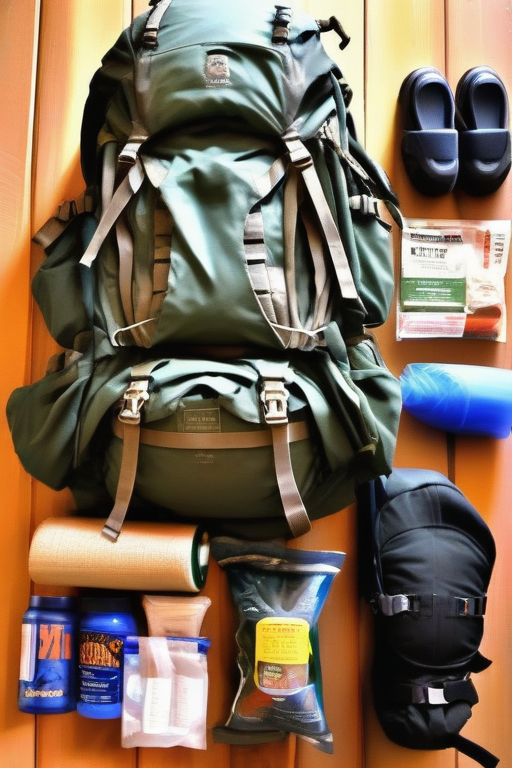
In an unpredictable world where emergencies can strike at any moment, having a well-equipped bug-out bag (BOB) is not just a precaution but a necessity. Whether you’re facing a natural disaster, civil unrest, or unexpected evacuation, a carefully curated bug-out bag can mean the difference between safety and vulnerability. Let’s explore the essential items that should go into your bug-out bag and why preparation is key.
- Water and Hydration:
- Water is the most crucial element for survival. Include water bottles or a collapsible water pouch, along with a water filtration system or purification tablets to ensure a clean water supply in any situation.
- Food and Nutrition:
- Pack non-perishable, high-calorie foods such as energy bars, dried fruits, nuts, and canned goods. Aim for lightweight, nutrient-dense options that provide sustained energy during emergencies.
- Shelter and Warmth:
- Include a lightweight tent or emergency shelter, a sleeping bag or emergency blanket, and extra clothing appropriate for the weather conditions in your region. Stay warm and dry to prevent hypothermia and maintain comfort during outdoor stays.
- First Aid and Medical Supplies:
- A comprehensive first aid kit should contain essentials such as bandages, antiseptic wipes, pain relievers, tweezers, and medical gloves. Customize your kit based on personal health needs and any specific medical conditions.
- Navigation and Communication:
- Carry a map of your area, a compass or GPS device, and a whistle for signaling. Additionally, include a charged portable charger and a backup phone battery to ensure communication capabilities remain intact.
- Tools and Multi-Purpose Gear:
- Pack a multi-tool, knife, duct tape, paracord, and fire-starting supplies such as waterproof matches or a lighter. These versatile tools can assist with various tasks from shelter building to food preparation.
- Personal Protection:
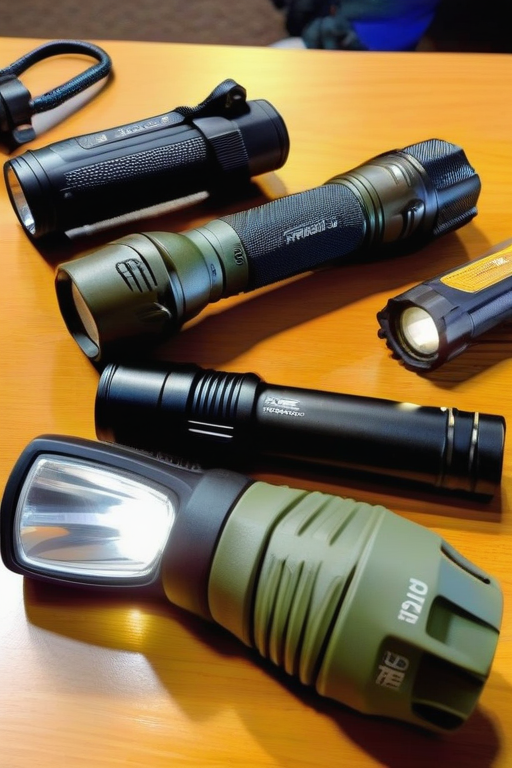
- Include items for personal defense and safety, such as a flashlight, extra batteries, pepper spray, and a small fire extinguisher. Prioritize personal security without escalating confrontations unnecessarily.
- Sanitation and Hygiene:
- Pack personal hygiene items like toilet paper, hand sanitizer, soap, and menstrual supplies. Maintain cleanliness and sanitation to prevent illness and maintain overall well-being.
- Documents and Identification:
- Store copies of essential documents such as identification, passports, insurance policies, and emergency contacts in a waterproof container. These documents are crucial for accessing assistance and proving identity during emergencies.
- Cash and Emergency Funds:
- Keep a small amount of cash in your bug-out bag, along with emergency funds in a secure location. Cash can be invaluable during emergencies when electronic transactions may be unavailable.
Preparation is key because emergencies often occur with little warning, leaving little time to gather essential items. By assembling a well-equipped bug-out bag in advance, you ensure that you’re ready to face unforeseen challenges with confidence and resilience. Additionally, periodically review and update your bug-out bag contents to reflect changes in your needs, environment, or emerging threats.
Remember, the goal of a bug-out bag is to provide you with the tools and resources necessary to survive and thrive during emergencies. By investing time and effort into preparing your bug-out bag, you’re taking proactive steps to safeguard yourself and your loved ones in times of crisis. Stay vigilant, stay prepared, and stay safe.
Get the free Bug-Out Bag checklist
Join the list for instant access to printable preparedness downloads.