Be Prepared: Essential Tips for Severe Spring Weather Emergencies
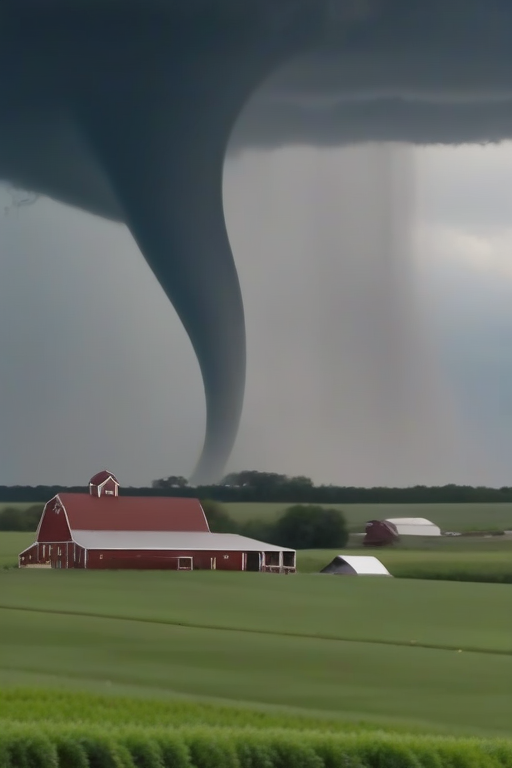
As the seasons transition from winter to spring, the promise of warmer weather also brings the potential for severe weather events. From thunderstorms and tornadoes to floods and wildfires, springtime can bring a host of challenges that require careful preparation and readiness. To ensure the safety and well-being of yourself and your loved ones, it’s essential to be proactive and prepared for severe spring weather emergencies. Here are some essential tips to help you get ready:
- Stay Informed:
- Monitor local weather forecasts and stay informed about potential severe weather threats in your area. Sign up for weather alerts and notifications through your smartphone or NOAA Weather Radio to receive timely updates and warnings.
- Create a Severe Weather Plan:
- Develop a comprehensive severe weather plan for your household, outlining procedures for sheltering in place, evacuation routes, and designated meeting points. Ensure that all family members are familiar with the plan and know what to do in an emergency.
- Assemble an Emergency Kit:
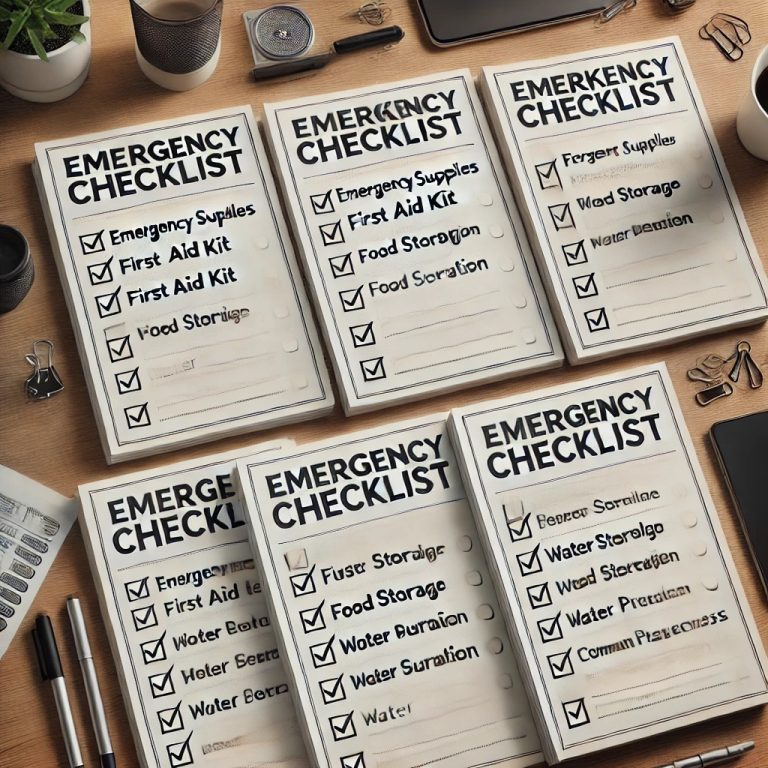
- Prepare an emergency kit containing essential supplies to sustain you and your family during and after severe weather events. Include items such as non-perishable food, water, first aid supplies, flashlights, batteries, a portable weather radio, and personal hygiene items.
- Secure Your Property:
- Take proactive measures to secure your home and property against potential storm damage. Trim trees and shrubs, secure outdoor furniture and loose objects, reinforce windows and doors, and clear gutters and downspouts to prevent water damage.
- Prepare for Power Outages:
- Be ready for power outages by having alternative sources of power and lighting available. Consider investing in a generator or portable power bank to keep essential appliances and devices running during extended outages.
- Designate Shelter Areas:
- Identify safe shelter areas within your home, such as a basement, storm cellar, or interior room on the lowest level away from windows. Reinforce these areas to provide maximum protection during severe weather events.
- Know Your Evacuation Routes:
- Familiarize yourself with evacuation routes in your area and have a plan in place for quickly evacuating if necessary. Keep your vehicle’s gas tank filled and have a designated meeting point for family members in case you become separated.
- Protect Important Documents:
- Safeguard important documents and valuables by storing them in a waterproof and fireproof container. Consider making digital copies of essential documents and storing them securely online or in a cloud-based storage service.
- Stay Connected:
- Maintain communication with family members, friends, and neighbors before, during, and after severe weather events. Check in with loved ones regularly and offer assistance or support as needed.
- Stay Calm and Be Prepared to Act:
- During severe weather emergencies, remain calm and focused, and be prepared to take swift and decisive action to protect yourself and your family. Follow the guidance of local authorities and emergency responders, and prioritize safety above all else.
By taking these proactive steps and being prepared for severe spring weather emergencies, you can minimize risks and ensure the safety and well-being of yourself and your loved ones. Remember, preparedness is key to weathering the storms of spring and emerging stronger on the other side. Stay safe, stay informed, and stay prepared!
Get the free Bug-Out Bag checklist
Join the list for instant access to printable preparedness downloads.