Blog post – Navigating Civil Unrest Preparedness
Blog post – Navigating Civil Unrest Preparedness
Navigating civil unrest can be a daunting prospect, especially for those who are new to the world of emergency preparedness. With the increasing volatility in today’s political and social climates, it’s crucial to equip ourselves with the knowledge and tools to remain safe and resilient. Civil unrest isn’t just an urban issue; it can affect anyone, anywhere, and often without warning. In this guide, we’ll explore practical steps and strategies to prepare for and navigate through periods of civil unrest, ensuring you and your loved ones remain secure and well-prepared. Let’s dive in and empower ourselves to handle whatever comes our way.

Understanding Civil Unrest
Defining Civil Unrest
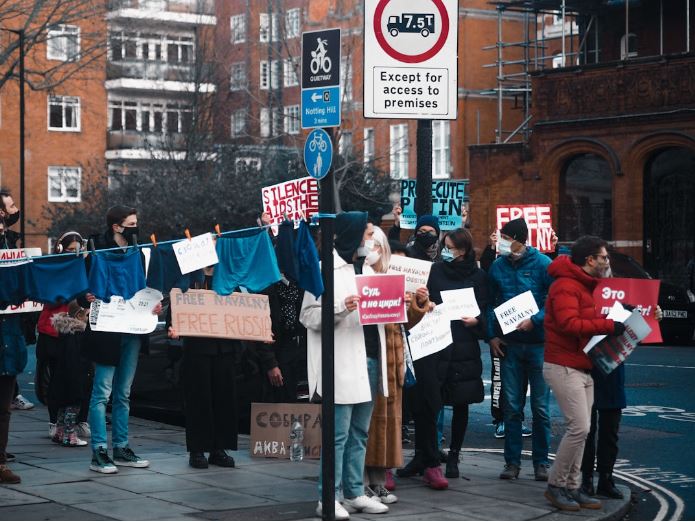
Civil unrest refers to acts of public disturbance caused by a group of people. It can range from peaceful protests to violent riots. Understanding what constitutes civil unrest is crucial, as it affects how we respond and prepare. Not every demonstration is unrest; peaceful marches often aim to express dissatisfaction without disrupting the social order. However, when tensions escalate, resulting in violence or significant disruption, it becomes civil unrest. Factors leading to unrest include political policies, economic instability, social inequality, or government actions. Recognizing these triggers helps in anticipating potential unrest. It’s important to stay informed, as the definition can vary based on perspective. What one might see as a justified protest, another might view as a threat. Ultimately, being aware of the signs and understanding the context are key to ensuring safety and preparedness during such events.

Historical Context and Examples
Civil unrest has been a part of human history for centuries, often acting as a catalyst for social and political change. One notable example is the French Revolution, where discontent with the monarchy fueled widespread riots and ultimately reshaped the nation’s governance. In the United States, the Civil Rights Movement of the 1960s saw significant civil unrest, with protests and marches pushing for racial equality and justice. More recently, the Arab Spring of the early 2010s marked a series of protests across the Middle East and North Africa, driven by demands for democratic reform and economic opportunity. These events illustrate how civil unrest can arise from a variety of grievances, including political oppression, economic disparity, and social injustice. Understanding these historical examples helps us recognize patterns and potential triggers in contemporary society, providing valuable insights into how civil unrest can evolve and the impact it can have on societal structures.

Recognizing Potential Triggers
Economic Inequality and Unemployment
Economic inequality and unemployment are significant triggers of civil unrest. When wealth is concentrated in the hands of a few, it can create a sense of injustice and disenfranchisement among the wider population. This gap often leads to frustration, as individuals struggle to access basic needs and opportunities. High unemployment exacerbates these feelings, leaving many without a means to improve their situation. Such economic disparities can boil over into protests and riots, as people demand equitable distribution of resources and job prospects. Historical patterns show that when the economic divide widens, societal tensions increase, making civil unrest more likely. Understanding these dynamics is crucial for recognizing potential unrest. Governments and communities must address these issues proactively by promoting economic policies that foster inclusivity and job creation. By doing so, they can help mitigate the risk of unrest and build a more stable and harmonious society.

Government Policies and Public Reaction
Government policies can significantly influence public sentiment and, in some cases, trigger civil unrest. Policies perceived as oppressive, unjust, or favoring certain groups over others often lead to public outcry. For instance, legislation that curtails civil liberties, increases taxes disproportionately on lower-income groups, or cuts essential social services can spark protests. The public’s reaction is typically shaped by how these policies impact their daily lives and perceived fairness. When people feel their voices are ignored or their rights are being eroded, it can lead to demonstrations and clashes with authorities. It’s important for governments to engage with their citizens, ensuring transparency and fairness in policy-making. Open dialogue and public participation in the political process can help mitigate negative reactions. By addressing grievances before they escalate, governments can reduce the likelihood of unrest and foster trust within the community, contributing to a more stable social environment.

Levels of Civil Unrest
Level One: Mild Discontent
Level One civil unrest is characterized by mild discontent, where dissatisfaction is evident but not yet disruptive. This stage often includes peaceful protests, petitions, and public debates. Participants might gather to express their concerns about specific issues, such as local government decisions, environmental policies, or minor economic grievances. At this level, the unrest is usually well-organized and aims to bring attention to issues rather than provoke conflict. Authorities can often manage Level One unrest through dialogue and negotiation, addressing concerns before they escalate. It’s crucial for both government officials and community leaders to listen and respond effectively to the underlying issues. By acknowledging grievances and working towards solutions, they can prevent escalation to more severe levels of unrest. Understanding and managing mild discontent is essential for maintaining social harmony and ensuring that the voices of concerned citizens are heard and respected within the community.

Level Two: Moderate Protests
Level Two unrest involves moderate protests where tensions rise and the scale of participation increases. These protests might involve larger gatherings, sit-ins, or marches that can disrupt daily activities. The issues at stake are usually more pressing, and participants are more determined to make their voices heard. While primarily non-violent, these protests can strain public resources and require heightened attention from law enforcement to maintain order. At this stage, communication between protest leaders and authorities becomes crucial to prevent misunderstandings and potential escalation. Authorities should aim to facilitate peaceful assembly while addressing the protesters’ concerns through constructive dialogue. This level of unrest indicates deeper societal issues that need addressing to avoid progression to more severe unrest. Understanding the motivations and grievances of the protesters is key to resolving issues amicably. By working collaboratively, both sides can find solutions that address the root causes of discontent and restore community stability.

Level Three: Severe Rioting
Level Three represents severe rioting, where civil unrest escalates into violence and chaos. This stage is marked by widespread disorder, including vandalism, looting, and clashes with law enforcement. Riots often arise from deep-seated grievances compounded by a triggering event, such as a controversial political decision or an incident of perceived injustice. The immediate response to severe rioting typically involves significant law enforcement presence and, in some cases, the deployment of the National Guard to restore order. This level of unrest can cause substantial damage to property and infrastructure, along with potential injuries to both protesters and officials. Addressing the causes of severe rioting requires a combination of immediate containment and long-term strategies to tackle the underlying issues. Community leaders, policymakers, and law enforcement must work collaboratively to rebuild trust, address grievances, and create a dialogue that prioritizes peaceful resolution. Understanding the root causes and responding appropriately is crucial to preventing future unrest.

Preparing for Civil Unrest
Basic Emergency Preparations
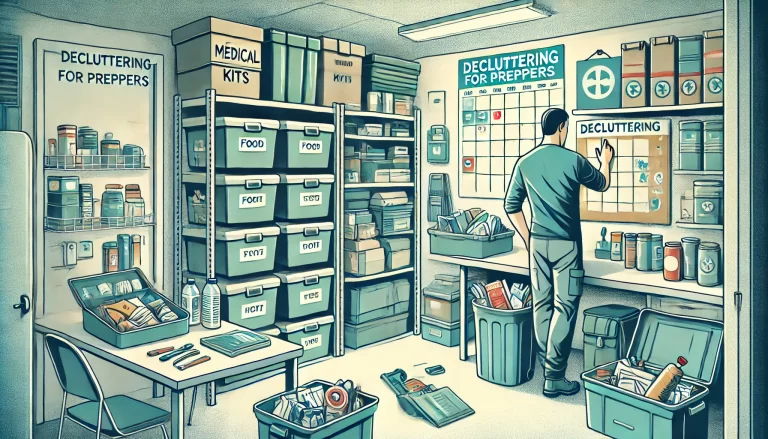
Basic emergency preparations are crucial for staying safe during periods of civil unrest. Start by assembling an emergency kit that includes essentials like non-perishable food, water, a first-aid kit, flashlight, and batteries. Ensure you have enough supplies to last at least three days. Additionally, keep important documents and medications readily accessible. Communication is key, so have a battery-powered or hand-crank radio to receive updates if power or internet services are disrupted. Establish a family emergency plan that outlines meeting points and communication strategies in case you’re separated. Familiarize yourself with local emergency services and routes to safe locations. It’s also wise to stay informed about the current situation through reliable news sources and local alerts. Understanding the potential risks in your area and tailoring your preparations accordingly can significantly enhance your safety and resilience during unrest. Having these basic preparations in place can help you remain calm and composed in uncertain times.

Building Community Support
Building community support is essential for resilience during civil unrest. Strong community ties can provide emotional and practical help when challenges arise. Start by getting to know your neighbors and participating in local groups or forums where you can share information and resources. Organize neighborhood meetings to discuss emergency plans and establish a network of support. This collaboration can include sharing supplies, coordinating efforts for mutual aid, and creating a unified response strategy. Trust and communication are key components, so ensure that all members of the community feel included and heard. Regularly update each other on relevant information and stay informed about local developments. By fostering a sense of community, you can create a support system that enhances safety and preparedness for everyone involved. Working together not only strengthens individual resilience but also builds a collective capacity to handle crises effectively and maintain stability during times of unrest.

Mitigating Risks During Unrest
Staying Informed and Aware
Staying informed and aware is vital for navigating the challenges of civil unrest effectively. Begin by regularly monitoring reputable news sources and local updates to understand the evolving situation. Social media platforms can offer real-time information, but it’s crucial to verify facts from credible outlets to avoid misinformation. Subscribe to emergency alerts from local authorities to receive timely notifications about potential risks in your area. Awareness of your surroundings is equally important; familiarize yourself with the geography of your neighborhood, including exits and safe zones. When venturing out, remain vigilant and avoid areas known for unrest. If you encounter a protest or demonstration, maintain a safe distance and follow any instructions from law enforcement. Staying informed allows you to make informed decisions and adjust your personal safety plans accordingly. By being proactive and aware, you can reduce risks and ensure a higher degree of preparedness during periods of civil unrest.

Legal Preparedness and Rights Awareness
Understanding your legal rights and being prepared for potential legal encounters during civil unrest is crucial. Familiarize yourself with local laws regarding protests, assembly, and curfews to ensure compliance and avoid unintended violations. Knowing your rights can empower you to act confidently in potentially tense situations. For instance, you have the right to remain silent and to request legal counsel if detained. Carry the contact information of a trusted attorney, and consider having a legal aid app on your phone for quick access to advice. It’s also important to understand the legal implications of recording interactions with law enforcement, as laws vary by location. By staying informed about your rights and responsibilities, you can navigate complex scenarios more effectively and protect yourself legally. This awareness not only helps you avoid unnecessary legal troubles but also ensures that you can exercise your rights safely and appropriately during periods of unrest.

Rural Implications and Scenarios
Unrest in Rural vs. Urban Areas
Unrest manifests differently in rural and urban areas, requiring varied preparedness strategies. In urban areas, civil unrest often involves large crowds, demonstrations, and significant police presence. The density of people and infrastructure can lead to rapid escalation and widespread disruption. Urban dwellers should be prepared for potential lockdowns, disruptions in public transport, and limited access to essential services.
Conversely, rural areas might experience unrest in more isolated incidents, but this doesn’t mean they are immune. Issues like land disputes, resource shortages, or reactions to government policies can trigger significant disturbances. Rural unrest may involve roadblocks, isolated confrontations, or community standoffs. The dispersed nature of rural populations can delay emergency response times, making self-reliance and community support even more critical.
Understanding these differences helps in tailoring preparedness plans to specific environments. Whether urban or rural, being aware of the unique challenges and preparing accordingly can significantly enhance safety and resilience during times of civil unrest.

Specific Risks for Rural Communities
Rural communities face unique risks during civil unrest that require tailored preparedness strategies. One significant risk is isolation, which can lead to delayed emergency responses and limited access to medical services or law enforcement. Additionally, rural areas may experience targeted actions such as roadblocks, land disputes, or sabotage of essential infrastructure like power lines and water supplies. Agricultural communities might face threats to their livestock and crops, either from opportunistic crime or as part of broader unrest.
Resource hoarding and looting can also be more pronounced, especially if urban areas experience severe shortages, prompting people to move to rural areas in search of supplies. Communication disruptions are another risk, as rural areas often rely on limited networks that can be easily compromised.
Understanding these specific risks allows rural communities to develop robust preparedness plans, including strong local networks, self-reliance strategies, and secure communication systems to stay informed and connected during crises.

Practical Steps for Preparedness
Maintaining Health and Resources
Maintaining health and securing resources are pivotal aspects of preparedness during civil unrest. Start by ensuring you have a well-stocked supply of non-perishable food and clean water to sustain your household for an extended period. A good rule of thumb is to have at least two weeks’ worth of provisions. Regularly check and rotate these supplies to keep them fresh.
In addition to food and water, prioritize your health by keeping a well-equipped first aid kit accessible. Include necessary medications, vitamins, and any specific health products your family might need. If you or family members require prescription medications, try to maintain a surplus supply, if possible.
It’s also important to focus on mental health. Stressful situations can take a toll, so develop routines that include exercise, relaxation, and adequate rest. By maintaining both physical health and essential resources, you enhance your resilience and ability to face the challenges that civil unrest may bring.

Developing a Personal Action Plan
Creating a personal action plan is essential for navigating the uncertainties of civil unrest effectively. Begin by assessing potential risks specific to your location and circumstances. Identify safe routes and secure locations where you and your family can retreat if necessary. Communication is key; establish a reliable way to stay in touch with family members during an emergency, and decide on a meeting point if separated.
Outline your roles and responsibilities within the household to streamline decision-making. Ensure everyone understands the procedures for evacuating, securing the home, and contacting emergency services. Practice these procedures regularly to ensure familiarity and efficiency.
Additionally, stay informed about local emergency services and resources available in your community. Keep a list of important contacts, including local authorities, healthcare providers, and trusted neighbors. A well-developed action plan not only enhances your ability to respond quickly but also provides peace of mind by reducing uncertainty and confusion during periods of civil unrest.

Get the free Bug-Out Bag checklist
Join the list for instant access to printable preparedness downloads.