Don’t Let the 4th of July Become a 5th of July ER Visit
Every year, the Fourth of July delivers something most Americans don’t plan for: a trip to the emergency room.
We’re not talking about freak accidents. We’re talking about predictable, preventable injuries that happen to otherwise careful people — because the holiday creates a perfect storm of distractions. There’s heat, alcohol, excitement, crowds, open flames, and consumer-grade explosives all colliding in the same backyard at the same time. That’s not a celebration recipe. That’s a risk assessment waiting to be written.
So let’s write it.
This isn’t a hand-wringing post designed to make you put away the sparklers and go inside. It’s what we do here at Survival Technician: we look at the actual hazards, we understand them clearly, and we make a plan so the fun stays fun from sundown to the finale. Luck favors the prepared mind — and that’s as true on the Fourth as it is in any other scenario.
The Numbers Nobody Talks About at the Cookout
Before we get to solutions, a quick look at the scale of the problem — because most people genuinely underestimate it.
The Consumer Product Safety Commission estimates that fireworks cause roughly 10,000 emergency room visits in a typical year, with the majority clustered in the weeks surrounding Independence Day. Hands and fingers account for the largest share of injuries, followed by eyes — an injury category that disproportionately results in permanent damage. About a third of all fireworks injuries happen to bystanders, not the person lighting the device.
Fire is the other side of the ledger. The National Fire Protection Association reports that more fires are reported on the Fourth of July than any other day of the year. Fireworks start thousands of structure and vehicle fires annually. A dry summer in the Ozarks or anywhere in Mid-America turns that risk up considerably — a single misdirected bottle rocket can reach grass that hasn’t seen rain in three weeks.
Then there’s the heat. Heat stroke hospitalizes thousands on major summer holidays. Most victims were hydrated that morning. It’s the accumulated hours of sun exposure, physical activity, and — often — alcohol that tip the scale.
None of these statistics are meant to frighten you. They’re meant to inform you. A prepared person looks at these numbers and makes a checklist. Which brings us to the main event.
Fireworks: The Risk You Can Actually Control
Here’s what frustrates me about most fireworks safety advice: it treats people like they’ve never thought about cause and effect before. “Don’t point fireworks at people.” Thanks, I’ll file that away.
What actually matters is the stuff people know but don’t systematize in the moment.
Designate one operator and stick with it. When responsibility is shared, it diffuses. Nobody is checking the radius because everyone assumes someone else did. Pick one adult. That person lights devices, manages duds, and calls the shots for the duration of the show. Everyone else is audience.
The 30-foot rule isn’t theoretical. Consumer fireworks routinely malfunction — tips over mid-flight, fails to ignite fully, or ejects debris sideways. A 30-foot cleared radius around your launch point accounts for most of those failure modes. Dry grass is your biggest secondary hazard. Walk the area before dark.
Duds are the most dangerous device on the ground. A firework that didn’t fully ignite has a live powder charge and an unstable fuse. The protocol is non-negotiable: wait a full 20 minutes before approaching, then soak the device thoroughly in a bucket of water before handling it. No exceptions, no shortcuts, no “I think it’s done.”
Sparklers burn at 1,200°F. That’s hot enough to melt gold. They’re marketed at children because they’re small and pretty, but they’re the single most common source of fireworks burns in kids under ten. If you’re handing sparklers to children under 12, you’re the adult in that situation — stay hands-on, stay present, and have a water bucket within arm’s reach.
Check your local burn ban before you buy anything. In much of rural Mid-America, summer drought conditions can trigger county-level burn bans that specifically prohibit consumer fireworks. A quick call to your county sheriff’s non-emergency line or a check of their website takes two minutes and could save you a fine — or worse, a wildfire on your property.
Grilling and Open Flame: Where Preparation Pays Off
The grill is where most people feel most comfortable, which is exactly why it catches people off guard.
Distance is everything. Ten feet minimum from structures, overhangs, fences, and patio furniture. Decks are the highest-risk grilling surface because they combine combustible material directly underfoot with structures on multiple sides. If you’re grilling on a deck, 10 feet may not be achievable — know where your nearest fire extinguisher is before you light the first burner.
Propane deserves a pre-event inspection every time. Apply a solution of dish soap and water to every connection point — the regulator, the hose fittings, the valve at the tank. If bubbles form, you have a leak. Turn everything off, let it air out, and fix the connection before proceeding. This takes four minutes and has prevented untold garage fires.
An ABC fire extinguisher is not optional. It should be within reach of the grill, charged, and not hiding behind seven folding chairs in the garage. If you haven’t checked the gauge on yours in the past year, do it now. A flat gauge on the Fourth of July is a decorative piece of metal.
Coals are the overnight hazard. Charcoal briquettes retain dangerous heat for up to 24 hours after a cookout. Documented cases exist of children and pets burning themselves on “cold” grills the following morning. Never dispose of ash in a plastic or paper bag, and never close the grill and walk away assuming it’s done. Douse coals with water if you’re at any point uncertain.
Water Safety: The Quiet Risk
The Fourth of July is the busiest recreational water day of the year in most parts of the country. Lakes, rivers, pools, and backyard inflatables all see peak traffic simultaneously. Drowning doesn’t look like it does in the movies — it’s fast, quiet, and typically happens within arm’s reach of other people.
The Water Watcher role needs to be formalized at your gathering. This isn’t “keep an eye on the kids.” It’s one designated sober adult whose sole job — during their rotation — is watching swimmers. No phone in hand, no conversation that pulls their eyes away, no refreshment in the other hand. Rotate the role every 20-30 minutes so fatigue doesn’t set in.
Life jackets belong on non-swimmers in any natural body of water. Depth doesn’t matter. Current, temperature, and underwater obstacles can incapacitate even a decent swimmer quickly. A child who “knows how to swim in the pool” is not the same as a child who can manage a lake situation.
Heat stroke is a medical emergency, not a bad sunburn. The signs are hot, dry skin (not sweaty — that’s the dangerous stage), confusion, slurred speech, and rapid pulse. When you see those signs, call 911 immediately, move the person to shade, and begin aggressive cooling with wet cloths while you wait. Do not drive them to urgent care. Call 911.
Hydration: 8 ounces of water per hour is a floor, not a target. In direct sun, above 90°F, with physical activity in the mix, adults need significantly more. Start hydrating before you feel thirsty — thirst is already a symptom of mild dehydration.
Crowd Awareness: The Skill That Transfers Everywhere
If you’ve spent any time in the preparedness space, you’ve heard about situational awareness. The Fourth of July gives you a practical environment to practice the real thing.
Every time you enter a new venue — a fairground, a park, a public fireworks display — the first thing to do before finding a good viewing spot is locate two exits. Not one. Two. This takes about 45 seconds and becomes automatic with practice. It’s not paranoia. It’s the same habit a pilot uses on every flight, a firefighter uses on every scene entry, and a good host uses in their own home.
Get your children’s emergency contact on their person before you enter a crowd. A wristband, a card in a pocket, or a permanent marker on the inner forearm with your cell number. If your child gets separated in a crowd of 5,000 people, a stranger trying to help them will need that number. This takes one minute before you leave the house.
Park with departure in mind. At large events, post-show egress is chaotic. A parking spot that takes five extra minutes to walk to but has two easy exit routes is worth it every time. Note the street names, not just “the big lot.”
Pets: The Overlooked Casualty of the Holiday
Animal shelters run their highest intake numbers of the year on July 5th. The majority of those animals are microchipped, tagged, and belong to responsible owners who simply didn’t account for the one thing no dog can rationalize: the sky is exploding.
Keep pets indoors during fireworks, full stop. A fenced yard that your dog has never escaped from means nothing when their panic response overrides eight years of behavior conditioning. Inside, in an interior room, with white noise or familiar sounds playing.
Check that your microchip registration is current. The chip is useless if the database still has your number from 2019 or a previous address. Spend five minutes on your chip provider’s website today.
Clear the yard of fireworks debris before letting pets out the next morning. Unexploded powder, chemical residue, and sharp metal fragments are all present in a yard used for a fireworks show. Walk it first.
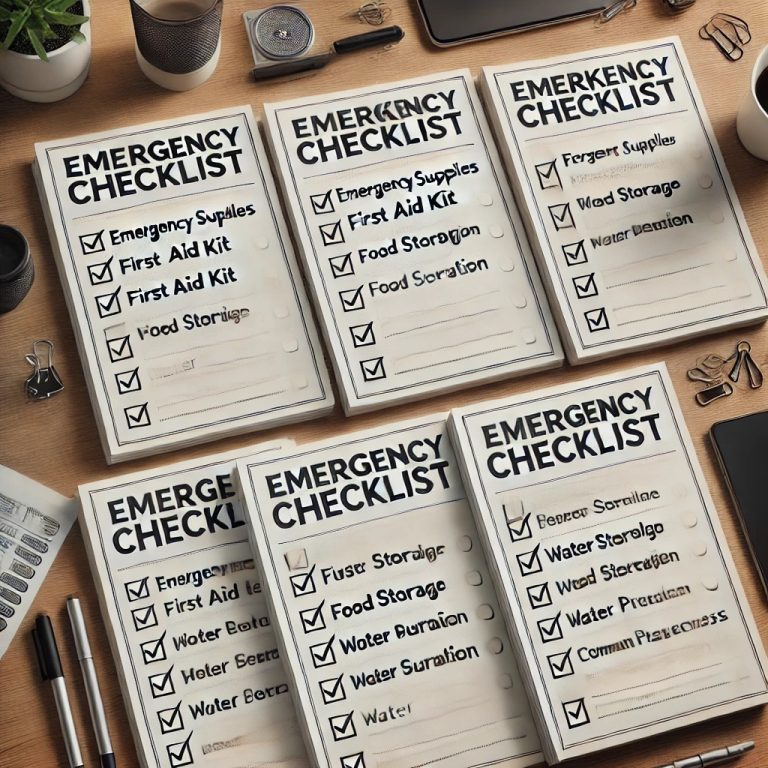
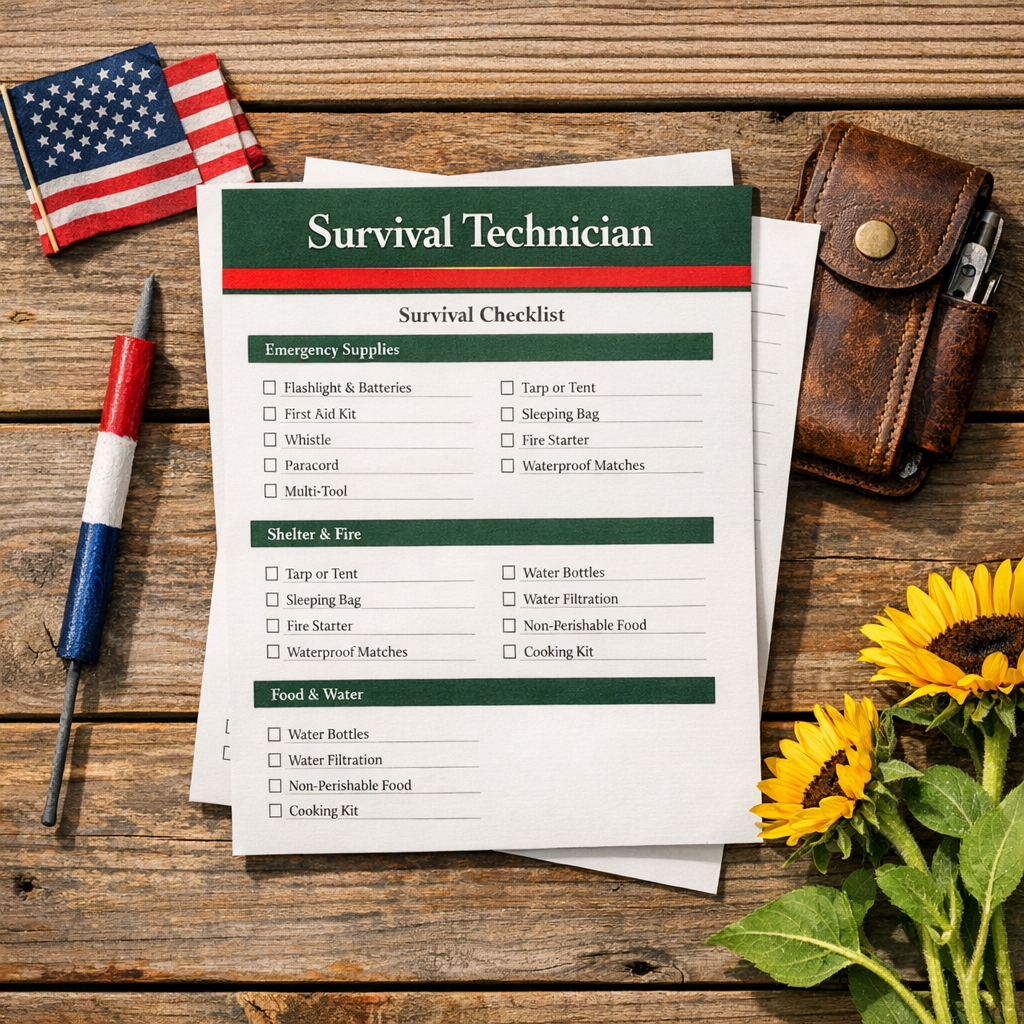
Your Complete Safety Checklist — Free Download
We’ve put everything in this post — plus several items that didn’t fit here — into a two-page printable checklist you can carry, post, or share with every adult at your gathering. It covers all six hazard categories with individual checkboxes, and it’s designed to be reviewed before the day starts and kept on-hand throughout.
Print it, check the boxes, and enjoy your Fourth with the confidence that comes from being the most prepared person at the cookout.
The Bottom Line
Holidays create the illusion that normal risk management rules are suspended for the day. They’re not. The fireworks don’t care that it’s a celebration. The grill doesn’t care that it’s a holiday. The lake doesn’t care that everyone is having a good time.
What changes on the Fourth of July is the density of hazards, the volume of distractions, and the social pressure to not be the person who “ruins the fun” by thinking ahead. We reject that framing here. The prepared person isn’t the one who ruins the fun — they’re the one who makes sure everyone goes home.
Have a safe and spectacular Fourth.
— Survival Technician survivaltechnician.com | Foundations of Personal Preparedness
Get the free Bug-Out Bag checklist
Join the list for instant access to printable preparedness downloads.