How to Build a DIY Rainwater Harvesting System for Off-Grid Living
Essential for Off Grid Living
Introduction
When you’re living off the grid, securing a reliable water source is one of the most important steps toward self-sufficiency. A DIY rainwater harvesting system is an affordable, eco-friendly solution that ensures you have water for drinking, gardening, and cleaning—even when municipal supplies are unavailable. In this guide, you’ll learn how to design and build your own rainwater collection system, including tips for maximizing efficiency and maintaining water quality.
Why Rainwater Harvesting is Essential for Off-Grid Living
Rainwater harvesting allows you to collect and store rainwater from your roof, reducing your dependence on wells or delivered water. It’s a sustainable practice that conserves resources, lowers utility costs, and provides peace of mind during droughts or emergencies. For off-grid homesteaders, it’s a cornerstone of resilient living.
What You’ll Need
To build a basic rainwater harvesting system, gather these materials:
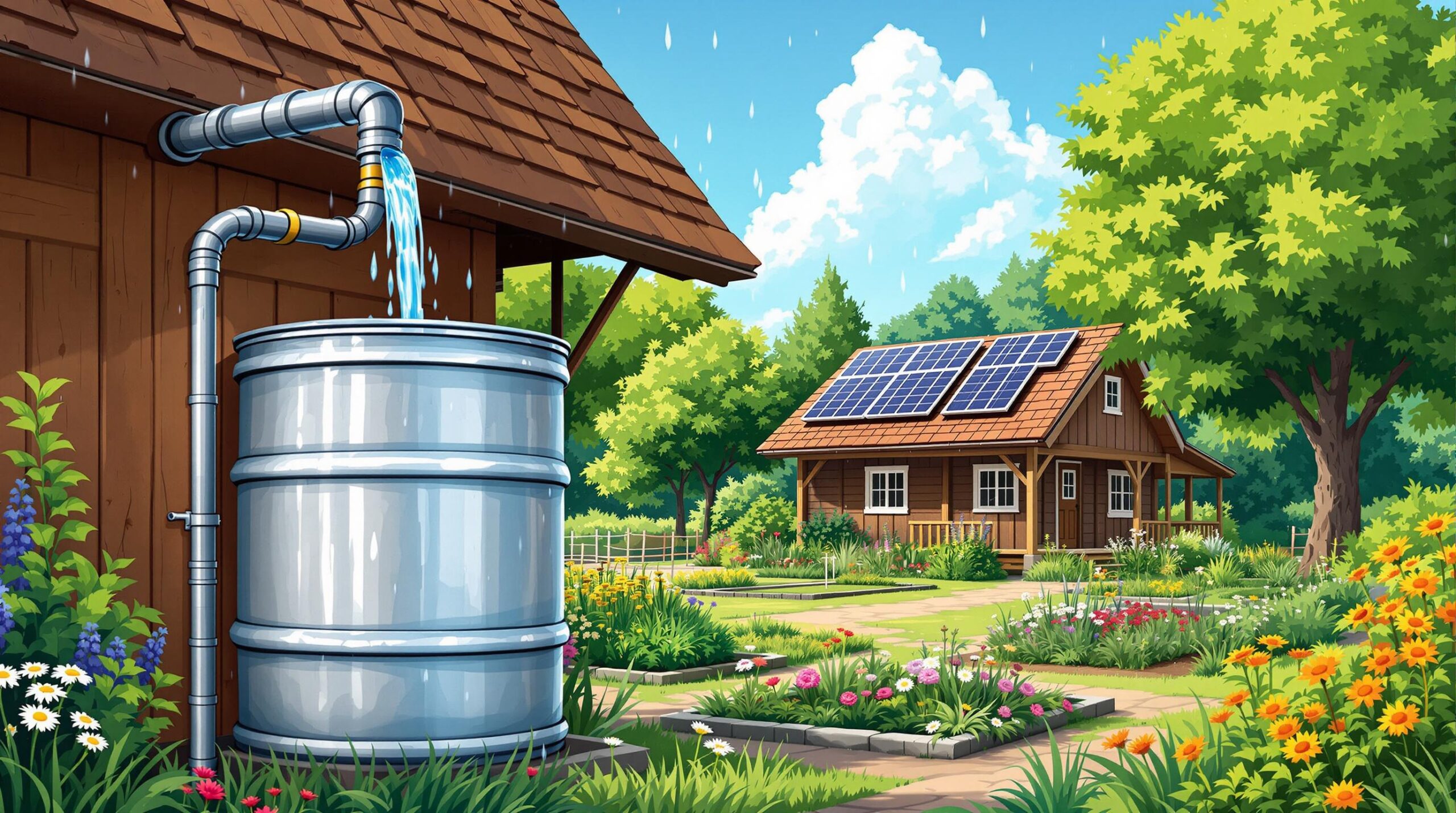
- Gutters and downspouts: Direct rainwater from your roof to your storage tank.
- First-flush diverter: Prevents the first, most contaminated water from entering your tank.
- Storage tank or barrels: Food-grade plastic barrels or larger cisterns work well.
- Screen or filter: Keeps out debris and insects.
- Overflow outlet: Directs excess water away from your foundation.
- Spigot or pump: For easy water access.
Step-by-Step Guide to Building Your System
1. Install Gutters and Downspouts
Ensure your roof is clean and made of non-toxic materials. Install gutters along the roof edge and connect downspouts to channel water toward your storage area.
2. Add a First-Flush Diverter
A first-flush diverter is a simple device that discards the initial runoff, which may contain roof debris or contaminants. Install it at the start of your downspout.
3. Set Up Your Storage Tank
Place your tank or barrels on a stable, elevated platform near the downspout. This elevation helps with water flow and access. Make sure the tank is covered and fitted with a fine mesh screen to keep out leaves and mosquitoes.
4. Connect the System
Attach the downspout to your tank’s inlet. Install an overflow outlet to direct excess water away from your home’s foundation. Add a spigot or hand pump at the bottom for easy water retrieval.
5. Maintain Your System
Regularly clean your gutters, screens, and tanks. Inspect for leaks and ensure the first-flush diverter is working properly. Test water quality if you plan to use it for drinking.
Tips for Maximizing Your Rainwater Harvest
- Use multiple barrels to increase storage capacity.
- Paint barrels dark colors to prevent algae growth.
- Install a simple filtration system if you plan to use rainwater for drinking or cooking.
- Check local regulations regarding rainwater collection in your area.
Conclusion
Building a DIY rainwater harvesting system is a practical, rewarding project for anyone pursuing off-grid living or prepping for emergencies. With a few basic materials and some simple steps, you can secure a sustainable water supply and take a big step toward self-reliance.
Ready to get started? Share your rainwater harvesting tips or questions in the comments below!
Get the free Bug-Out Bag checklist
Join the list for instant access to printable preparedness downloads.