The Unforgiving Environment:
Preparing for Extreme Weather and Resource Scarcity
In an era where the headlines are increasingly dominated by news of record-breaking heatwaves, devastating hurricanes, and unprecedented wildfires, the need for personal preparedness has never been more critical. The convergence of intensifying natural disasters and growing resource scarcity is creating an unforgiving environment, challenging our assumptions about safety, stability, and the reliability of the systems we depend on. For those in the prepping and survival community, this is not a time for fear, but for a clear-eyed assessment of the risks and a renewed commitment to practical, life-saving strategies. This post delves into the realities of our changing world and offers a comprehensive guide to preparing for the challenges ahead.
The Rising Tide of Natural Disasters
The data is undeniable: extreme weather events are becoming more frequent, more intense, and more costly. In 2024 alone, the United States witnessed 27 billion-dollar weather and climate disasters, making it the fourth-costliest year on record. Globally, the picture is just as grim, with natural disasters causing $320 billion in total losses. This isn’t a statistical anomaly; it’s a clear trend driven by a combination of factors, including climate change and increased human vulnerability.
Heatwaves and Droughts: The Silent Killers
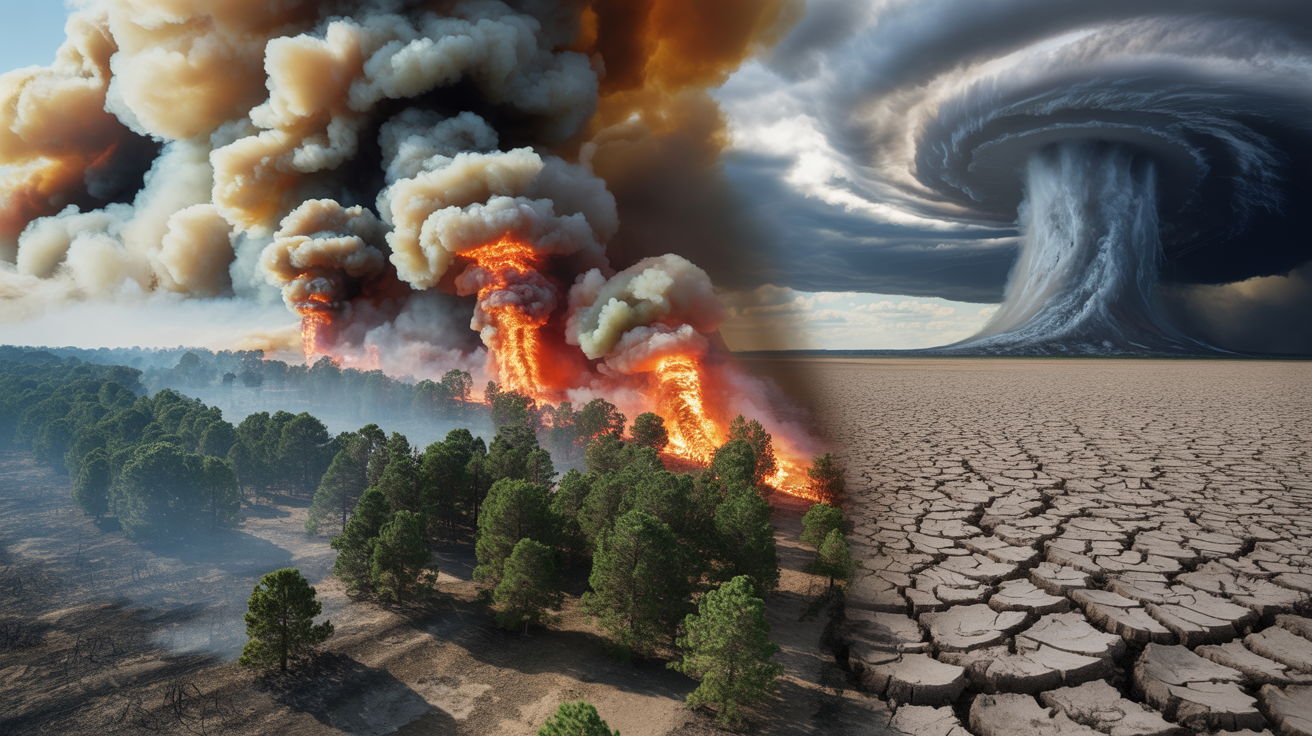
While hurricanes and tornadoes often grab the headlines, heatwaves and droughts are silent, insidious threats that can have far-reaching consequences. Prolonged periods of extreme heat can strain power grids, leading to blackouts and leaving vulnerable populations without access to cooling. Droughts, in turn, can decimate crops, leading to food shortages and driving up prices. The ripple effects of these events can be felt throughout the economy, from agriculture and transportation to public health.
Hurricanes and Wildfires: A Vicious Cycle
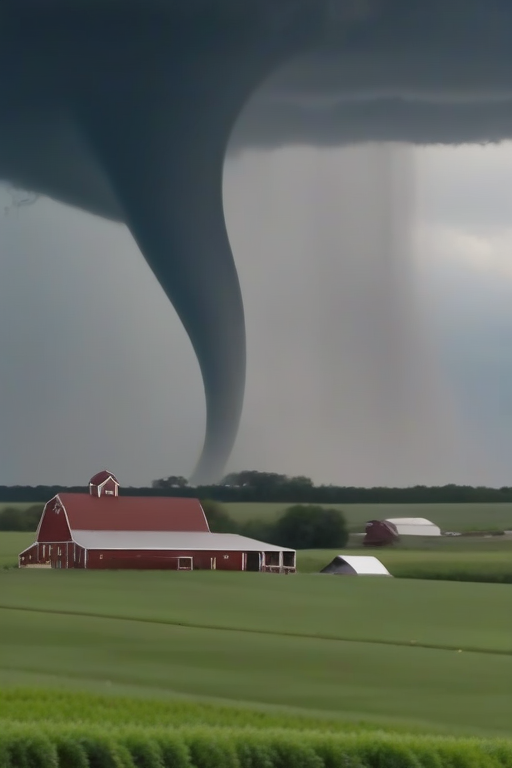
The warming of our oceans is fueling more powerful and rapidly intensifying hurricanes, capable of causing catastrophic damage to coastal communities. At the same time, rising temperatures and prolonged droughts are creating the perfect conditions for wildfires to ignite and spread with terrifying speed. These two phenomena are not unrelated; in fact, they often feed into each other, creating a vicious cycle of destruction. For example, the debris left behind by a hurricane can provide fuel for future wildfires, while the loss of vegetation from a wildfire can increase the risk of landslides and flooding during a subsequent storm.
Resource Scarcity and Agricultural Strain
The impacts of our changing climate are not limited to extreme weather events. They are also placing immense strain on our agricultural systems and threatening the availability of essential resources.
The Global Food Crisis
Climate change is a direct threat to global food security. Rising temperatures, changing precipitation patterns, and the increased frequency of extreme weather events are all taking a toll on crop yields. The nutritional value of our food is also declining, as elevated levels of atmospheric CO2 can reduce the protein and mineral content of many staple crops. These factors, combined with a growing global population, are creating a perfect storm for a global food crisis.
Water: The New Gold
Water, the most essential resource for life, is becoming increasingly scarce. Over 2 billion people currently face water scarcity, and that number is projected to double by 2050. The causes of this crisis are complex and multifaceted, including population growth, increased demand from agriculture and industry, and the impacts of climate change. As water becomes more scarce, it will also become more valuable, leading to increased competition and the potential for conflict.
The Failure of Institutional Emergency Response
In the face of these mounting challenges, we can no longer afford to assume that institutional emergency response systems will be able to protect us. Time and time again, we have seen these systems fail, often with tragic consequences.
Fractured Command and Communication Breakdowns
One of the most common points of failure in institutional emergency response is a lack of clear communication and coordination. In the chaos of a disaster, different agencies and organizations often struggle to work together effectively, leading to delays, confusion, and a waste of valuable resources.
The Limits of Government Assistance
While government agencies can play a vital role in disaster response and recovery, it’s important to recognize that they have their limits. In a large-scale disaster, resources can be stretched thin, and it may take days or even weeks for help to arrive. This is why personal preparedness is so essential. We cannot afford to be dependent on others for our survival.
Practical Prepping Strategies for an Unforgiving Environment
The challenges we face are significant, but they are not insurmountable. By taking a proactive approach to preparedness, we can increase our resilience and improve our chances of not just surviving, but thriving in an uncertain future.
Know Your Risks and Make a Plan
The first step in any preparedness plan is to understand the specific risks you face. This will vary depending on your location, but may include hurricanes, tornadoes, wildfires, floods, earthquakes, or other natural disasters. Once you have identified the risks, you can develop a plan to address them. This plan should include:
- An evacuation plan: Where will you go if you need to evacuate? What routes will you take?
- A communication plan: How will you stay in touch with family and friends if communication systems are down?
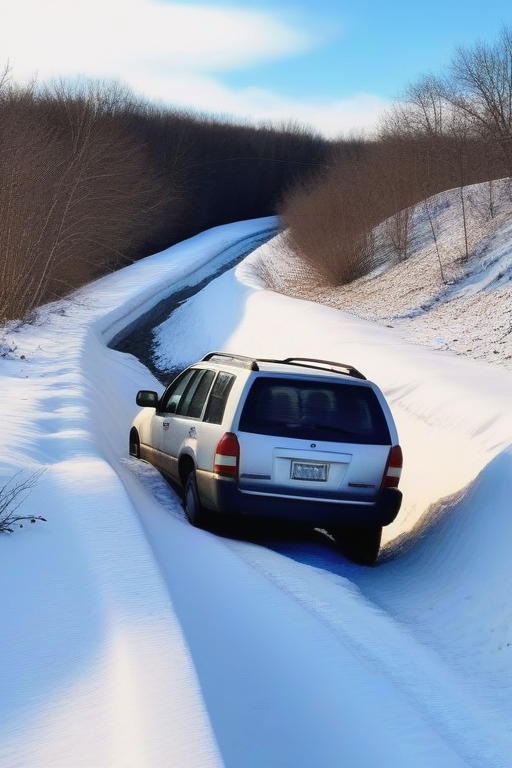
- A shelter-in-place plan: What will you do if you are unable to evacuate? How will you secure your home and protect yourself from the elements?
Build a Robust Emergency Kit
A well-stocked emergency kit is the cornerstone of any preparedness plan. Your kit should include everything you need to survive for at least 72 hours without outside assistance. This includes:
- Water: At least one gallon of water per person per day.
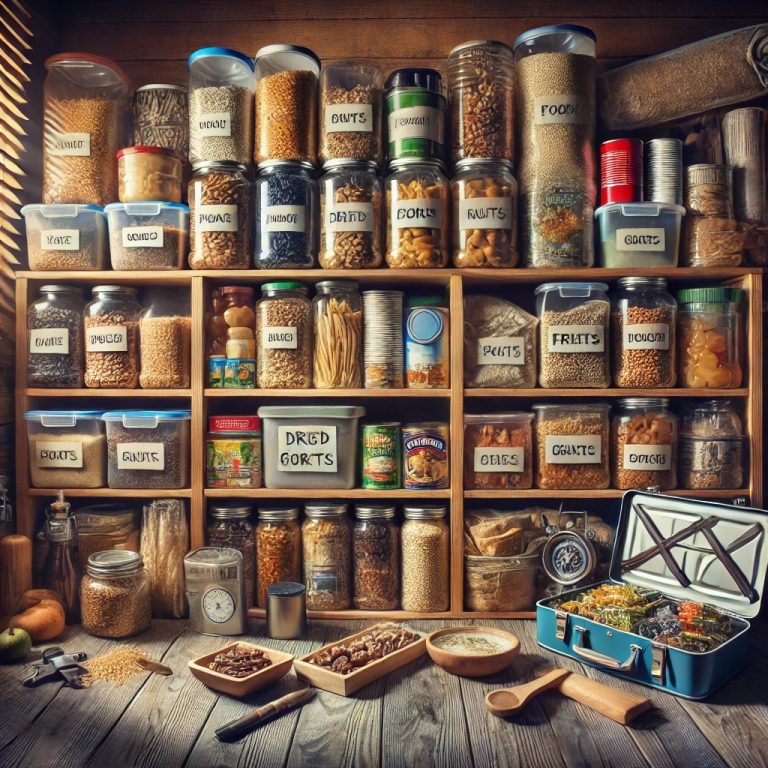
- Food: Non-perishable food that requires no cooking or refrigeration.
- First-aid supplies: A comprehensive first-aid kit that includes bandages, antiseptic wipes, pain relievers, and any personal medications you may need.
- Tools and supplies: A multi-tool, a flashlight with extra batteries, a hand-crank radio, and a whistle to signal for help.
- Sanitation and hygiene supplies: Toilet paper, soap, and hand sanitizer.
- Clothing and bedding: A change of clothes for each person, as well as blankets or sleeping bags.
Secure Your Home and Property
In addition to building an emergency kit, there are a number of steps you can take to secure your home and property and make it more resilient to extreme weather. These include:
- Reinforcing your home: This may include installing storm shutters, reinforcing your garage door, and trimming trees and branches that could fall on your home.
- Creating a defensible space: If you live in an area that is prone to wildfires, it’s important to create a defensible space around your home by clearing away flammable vegetation.
- Investing in a backup power source: A generator or a solar power system can provide you with electricity during a power outage.
Develop Essential Skills
In a long-term survival situation, skills will be just as important as supplies. Some of the most important skills to learn include:
- First aid and CPR: The ability to provide medical care to yourself and others could be a lifesaver.
- Water purification: Knowing how to find and purify water is essential for survival.
- Food preservation: Learning how to can, dehydrate, and otherwise preserve food will allow you to build a long-term food storage.
- Self-defense: In a world where resources are scarce, the ability to protect yourself and your family will be more important than ever.
Conclusion: A Call to Action
The world is changing, and we must change with it. The challenges we face are real, but so are the opportunities. By embracing a mindset of preparedness and taking practical steps to increase our resilience, we can not only weather the storms to come, but also build a better, more secure future for ourselves and our families. The time to prepare is now.