Everyday Preparedness: Why Being a “Prepper” Matters More Than You Think
In a world that seems to throw unexpected challenges our way at every turn, being prepared for emergencies isn’t just for doomsday preppers stocking bunkers with canned goods and ammunition. While the term “prepper” often conjures images of extreme survivalists bracing for apocalyptic scenarios, the truth is that everyday life presents its own share of emergencies and unforeseen events where preparedness can make all the difference.
From minor inconveniences like a power outage or a flat tire to more significant events such as natural disasters or medical emergencies, being ready to face the unexpected is not only prudent but essential. Here’s why being a prepper, in the broader sense of the term, matters in modern life:
- Natural Disasters: Floods, hurricanes, earthquakes, and wildfires are becoming increasingly common occurrences in many parts of the world due to climate change. Having a well-thought-out emergency plan, stocked supplies, and knowing evacuation routes can mean the difference between safety and chaos during such events.
- Health Emergencies: Whether it’s a sudden illness, injury, or a global pandemic, being prepared with essential medical supplies, knowledge of basic first aid, and access to emergency services can save lives. In times of crisis, knowing how to respond swiftly and effectively can mitigate the impact of the situation.
- Financial Instability: Economic downturns, job loss, or unexpected expenses can throw a wrench into our financial stability. Building an emergency fund, reducing debt, and having a backup plan can provide a safety net during tough times, preventing financial ruin and reducing stress.
- Technological Failures: With our increasing reliance on technology, disruptions in services like power, internet, or communication systems can significantly disrupt daily life. Having backup power sources, alternative communication methods, and basic technological troubleshooting skills can help navigate these situations smoothly.
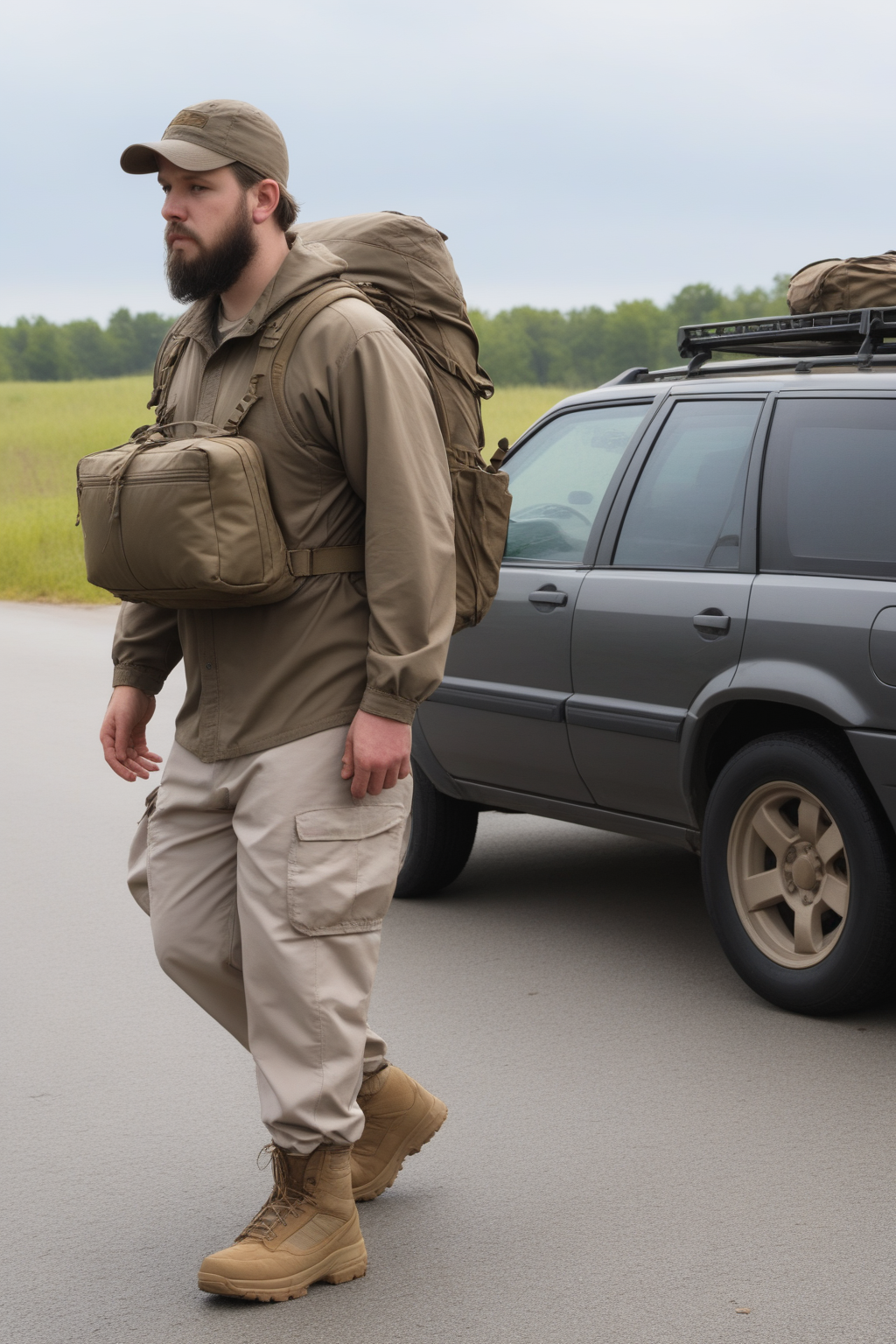
- Personal Safety: Whether it’s a car breakdown on a deserted road or encountering a dangerous situation while out and about, being prepared with essential tools, self-defense skills, and situational awareness can enhance personal safety and prevent potential harm.
- Environmental Hazards: From pollution to hazardous materials spills, modern life exposes us to various environmental risks. Understanding potential hazards in our surroundings and knowing how to mitigate risks can minimize health consequences and environmental damage.
While the term “prepper” may carry connotations of extreme preparedness, the reality is that everyday emergencies require everyday preparedness. It’s not about hoarding supplies or building underground bunkers; it’s about adopting a mindset of readiness and taking practical steps to ensure our well-being and the well-being of those around us.
So, how can you embrace the principles of everyday preparedness in your life?
- Start by assessing potential risks in your environment and creating a personalized emergency plan.
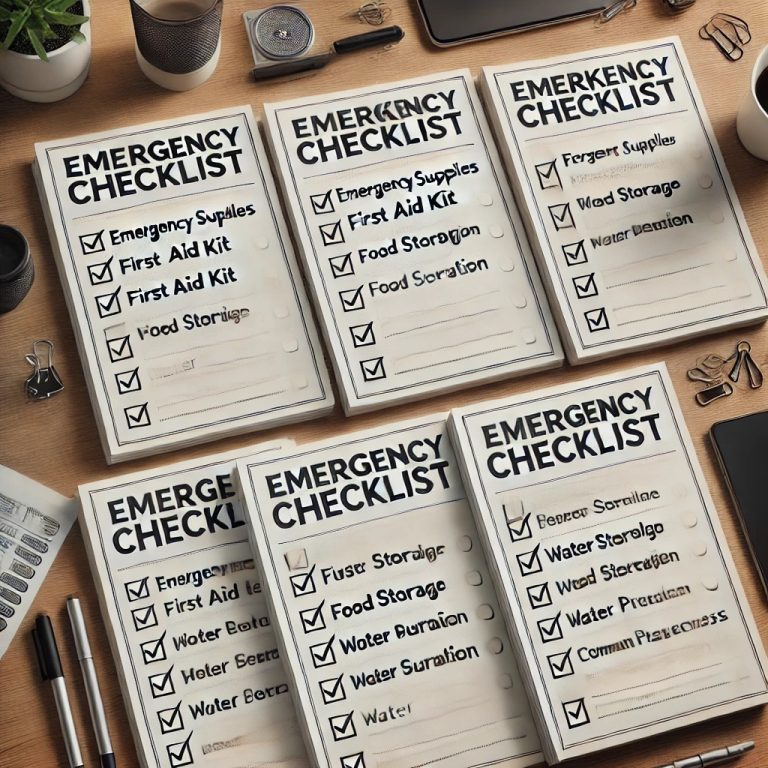
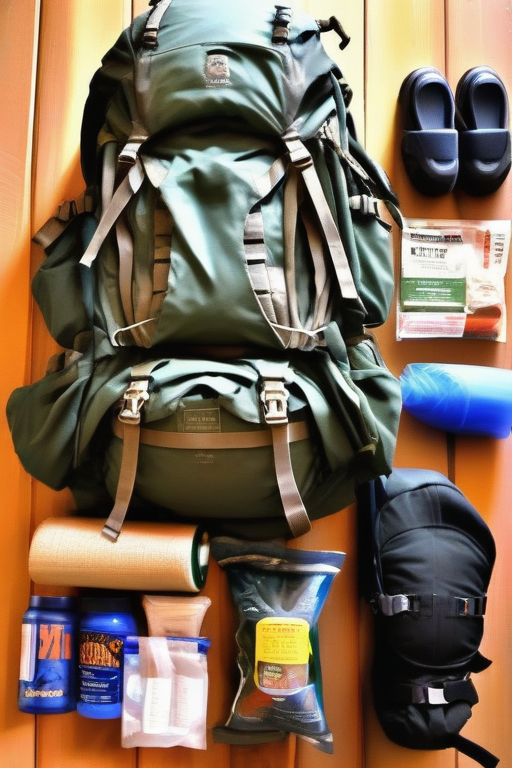
- Build a basic emergency kit with essentials like water, non-perishable food, first aid supplies, and important documents.
- Educate yourself and your family on safety procedures and basic survival skills.
- Stay informed about local emergency alerts and community resources available to you.
By taking these proactive steps, you’re not just preparing for the worst-case scenario; you’re also empowering yourself to handle whatever life throws your way with resilience and confidence. Remember, being a prepper isn’t about living in fear; it’s about living smart and being ready for whatever tomorrow may bring.