Homesteading 101: A Guide to Off-Grid Living and Self-Sufficiency
In a world marked by uncertainty and a growing desire for sustainability, the idea of off-grid living and self-sufficiency has gained traction among individuals seeking a simpler, more independent lifestyle. Homesteading, once a way of life for pioneers and settlers, is experiencing a resurgence as people embrace the challenge of living off the land and becoming more self-reliant. If you’re considering embarking on this journey towards off-grid living, here’s a comprehensive guide to mastering the basic homesteading skills necessary for self-sufficiency:
- Food Production:
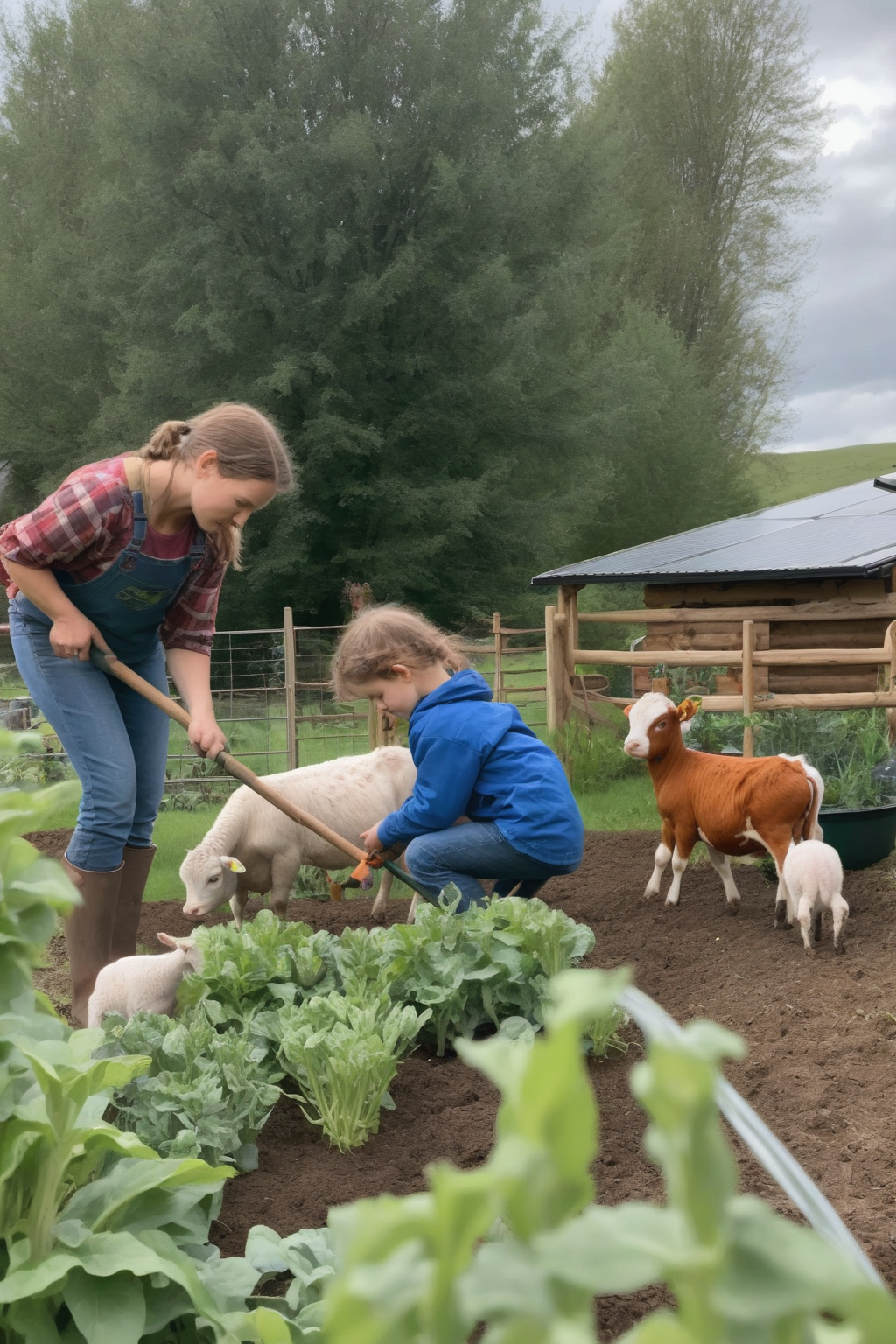
- Gardening: Learn how to cultivate a variety of fruits, vegetables, and herbs suited to your climate and soil conditions. Master techniques such as companion planting, crop rotation, and natural pest control to maximize yields.
- Livestock Rearing: Raise chickens for eggs and meat, keep goats or cows for milk, or even consider beekeeping for honey production. Proper animal care, housing, and nutrition are essential for successful livestock management.
- Foraging: Identify wild edible plants in your surroundings and learn sustainable harvesting practices to supplement your homegrown food supply.
- Water Management:
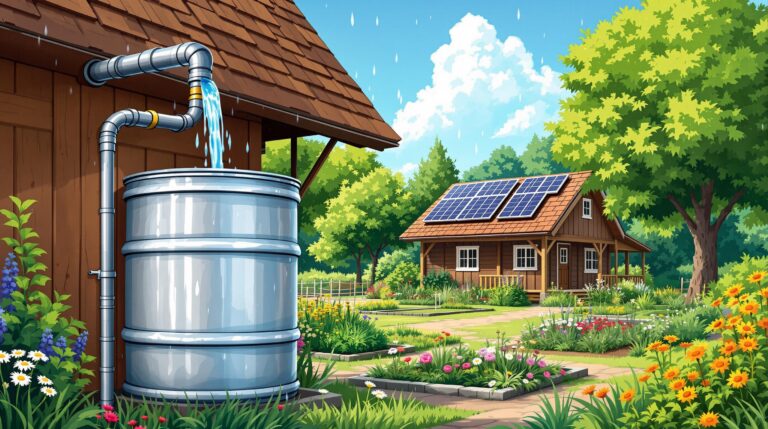
- Rainwater Harvesting: Install systems to collect and store rainwater for household use, irrigation, and livestock watering.
- Well Digging: If feasible, explore the option of digging a well to access groundwater for drinking and irrigation purposes.
- Water Purification: Invest in reliable water filtration and purification methods to ensure access to clean drinking water, especially if relying on natural water sources.
- Energy Generation:
- Solar Power: Install solar panels to harness energy from the sun for electricity generation. Learn about battery storage systems to store excess energy for use during periods of low sunlight.
- Wind Power: Depending on your location, consider utilizing wind turbines to generate electricity, providing an additional renewable energy source.
- Wood Heat: Learn how to sustainably harvest and process firewood for heating and cooking, particularly in colder climates where wood stoves or fireplaces are essential.
- Shelter and Infrastructure:
- Off-Grid Housing: Design and build energy-efficient, sustainable homes using natural building materials such as straw bales, cob, or reclaimed wood.
- Composting Toilets: Implement eco-friendly waste management systems like composting toilets to minimize water usage and nutrient recycling.
- Greywater Recycling: Develop systems to reuse greywater from sinks, showers, and laundry for irrigation, reducing water wastage.
- Food Preservation and Storage:
- Canning and Fermentation: Learn how to preserve fruits and vegetables through canning, pickling, and fermentation to extend their shelf life.
- Root Cellaring: Construct or repurpose a root cellar to store root crops, onions, and winter squashes in optimal conditions for long-term storage.
- Drying and Smoking: Utilize methods like sun-drying and smoking to preserve herbs, fruits, meats, and fish without electricity.
- Basic Carpentry and DIY Skills:
- Building and Repairs: Acquire carpentry skills for constructing and repairing essential structures, furniture, and equipment around your homestead.
- Plumbing and Electrical Work: Learn basic plumbing and electrical skills for maintaining and troubleshooting systems within your off-grid home.
- Community Building and Networking:
- Local Exchange: Engage with neighboring homesteaders, farmers, and community members to share resources, knowledge, and support.
- Skill Sharing: Participate in workshops, classes, or online forums to learn from experienced homesteaders and share your own expertise with others.
Embarking on the journey of homesteading and off-grid living is a rewarding endeavor that requires dedication, perseverance, and a willingness to adapt to the challenges of self-sufficiency. By mastering these basic homesteading skills and embracing a lifestyle focused on sustainability and resilience, you can create a fulfilling and harmonious existence in harmony with the land. Whether you’re seeking greater independence, environmental stewardship, or a deeper connection to nature, homesteading offers a pathway to a more authentic and fulfilling way of life.