Surviving the Summer Heat: Tips for Staying Safe
Summer is a time for fun in the sun, but the heat can also pose serious dangers if you’re not prepared. As a prepper and someone who has lived off-grid, I’ve learned a thing or two about staying safe during the hottest months of the year. Here’s what you need to know to protect yourself and your loved ones from the perils of summer heat.
Understanding the Dangers
The summer sun can be more than just uncomfortable; it can be deadly. Here are some of the primary dangers associated with extreme heat:
- Heat Exhaustion: Symptoms include heavy sweating, weakness, cold, pale and clammy skin, a fast, weak pulse, nausea or vomiting, and fainting. If untreated, it can lead to heat stroke.
- Heat Stroke: This is a severe medical emergency that occurs when the body becomes unable to control its temperature. Symptoms include high body temperature (above 103°F), hot, red, dry or moist skin, rapid and strong pulse, and possible unconsciousness. Immediate medical attention is critical.
- Dehydration: Excessive heat can lead to significant water loss through sweating, causing dehydration. Signs include extreme thirst, dry mouth, headache, dizziness, and dark-colored urine.
- Sunburn: Prolonged exposure to UV rays can cause skin damage, increasing the risk of skin cancer.
Tips for Staying Safe
- Hydrate, Hydrate, Hydrate:
- Drink plenty of water throughout the day, even if you don’t feel thirsty. Avoid drinks with caffeine or alcohol, as they can dehydrate you.
- Keep a reusable water bottle with you at all times and consider using electrolyte-replacement drinks if you’re sweating excessively.
- Dress Appropriately:
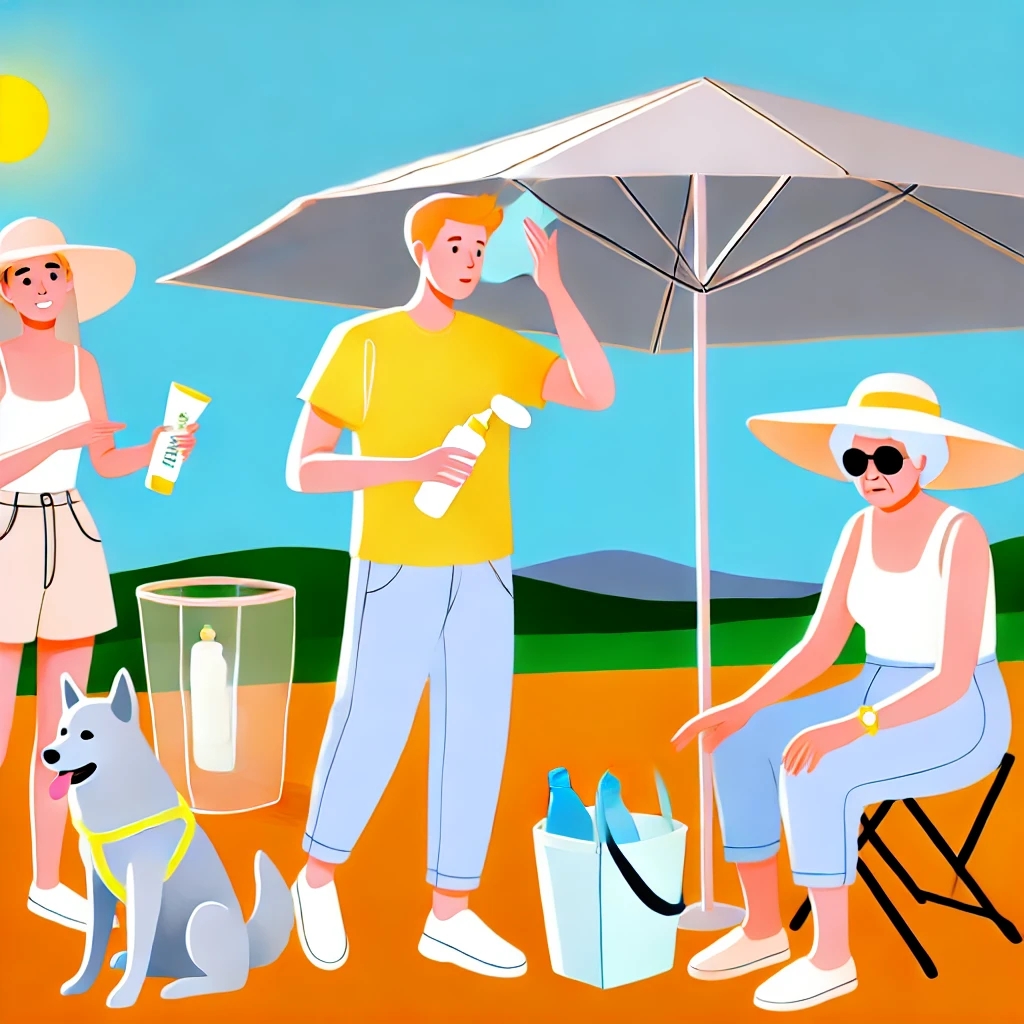
- Wear loose-fitting, lightweight, and light-colored clothing to help reflect heat.
- A wide-brimmed hat can provide shade and keep your head cool.
- Sunglasses with UV protection are essential to protect your eyes from harmful rays.
- Plan Outdoor Activities Wisely:
- Try to schedule strenuous activities for the cooler parts of the day, such as early morning or late evening.
- Take frequent breaks in the shade or indoors if you’re working outside.
- Create a Cool Environment:
- Use fans or air conditioning to keep indoor spaces cool. If you don’t have AC, spend time in public places that do, like libraries or shopping malls.
- Keep blinds or curtains closed during the hottest parts of the day to block out direct sunlight.
- Protect Your Skin:
- Apply a broad-spectrum sunscreen with at least SPF 30, even on cloudy days. Reapply every two hours and after swimming or sweating.
- Don’t forget to protect your lips with a lip balm that contains SPF.
- Stay Informed:
- Keep an eye on local weather forecasts and heat advisories.
- Know the signs of heat-related illnesses and how to respond.
- Check on Vulnerable Individuals:
- The elderly, children, and pets are particularly vulnerable to heat. Make sure they are staying cool and hydrated.
- Never leave children or pets in a parked car, even for a short period. The temperature inside a car can rise rapidly and become deadly.
Conclusion
The summer heat can be dangerous, but with the right precautions, you can enjoy the season safely. Stay hydrated, dress appropriately, and be mindful of the signs of heat-related illnesses. Remember, preparation is key to staying safe and making the most of your summer.
Stay safe and enjoy the sunshine responsibly!
If you found this post helpful, consider subscribing to our newsletter for more tips on living off-grid and staying prepared for any situation.