Essential Gear For Your Bug Out Bag
Building the Perfect Bug Out Bag: Lightweight Survival Gear for Beginners
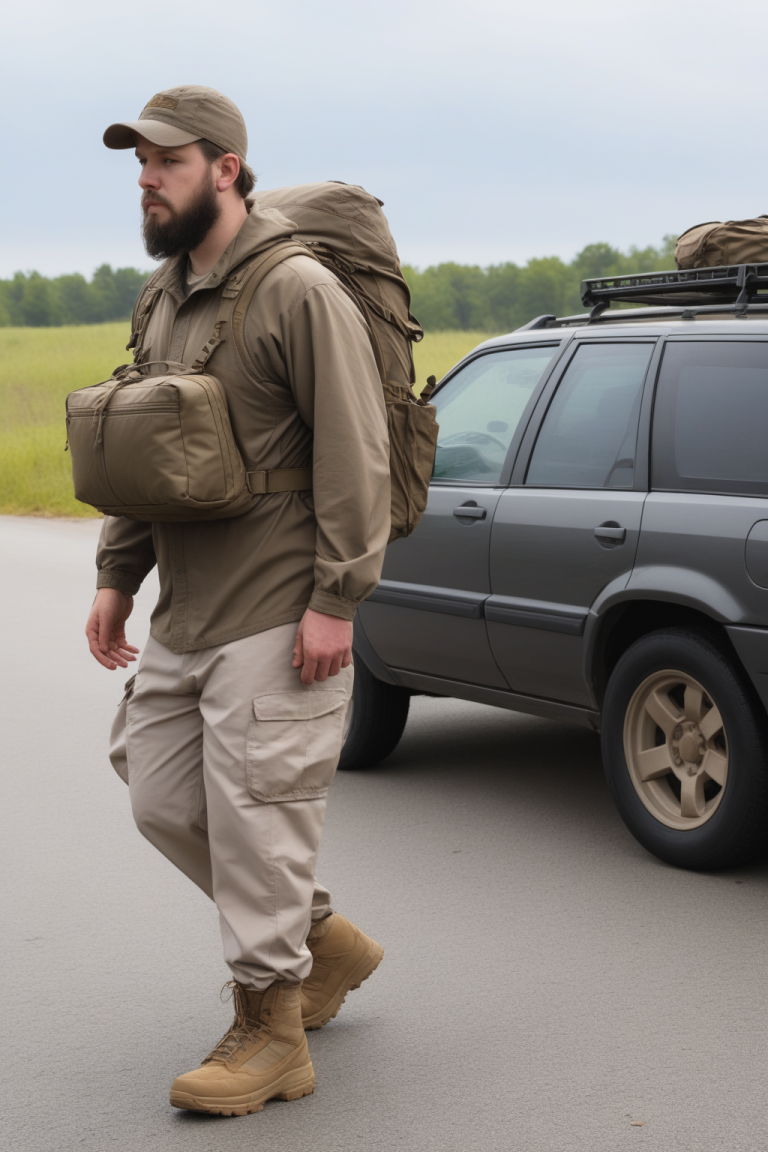
In today’s unpredictable world, having a well-prepared bug out bag can be the difference between panic and peace of mind. For beginners stepping into the world of survivalism, assembling a bug out bag with lightweight survival gear is a crucial first step towards emergency preparedness. The key is to focus on a minimalist packing list that ensures you have all bug out bag essentials without the burden of unnecessary weight. As your trusted outdoor and survival guide, I’ll walk you through the must-have survival supplies, empowering you to face unexpected situations with confidence. Stick around, and I’ll help you build the perfect bug out bag tailored to your needs.

Understanding Bug Out Bag Essentials
Importance of Lightweight Survival Gear
When preparing your bug out bag, the importance of lightweight survival gear can’t be overstated. Carrying a heavy load over long distances can quickly lead to fatigue, increasing the risk of injury and slowing your escape in an emergency. Lightweight gear ensures that you have the mobility needed to navigate challenging terrains while conserving energy. Minimalism is key, focusing on quality over quantity. Each item should serve a crucial purpose, contributing to your overall emergency preparedness. For instance, opt for multi-purpose tools that can perform several functions, reducing the need for additional equipment. Choosing lightweight materials, like titanium or aluminum, can significantly reduce your bag’s weight. Remember, the goal is to have a bug out bag essentials list that provides all necessary survival supplies without excess baggage. By prioritizing lightweight gear, you’ll be better prepared to face any unexpected situation with confidence and agility.

Crafting a Minimalist Packing List
Creating a minimalist packing list is essential for building an effective bug out bag. Start by identifying the core categories of survival needs: shelter, water, food, fire, and first aid. Choose items that are compact and multifunctional, maximizing utility while minimizing weight. For shelter, consider a lightweight tarp or bivvy bag. A portable water filter is crucial for ensuring access to safe drinking water. For food, pack non-perishable, calorie-dense items like energy bars and dehydrated meals. Fire-starting tools, such as waterproof matches or a compact fire starter, are critical for warmth and cooking. Lastly, a basic first aid kit with essential supplies should always be included. Prioritize items that have a proven track record for reliability in emergency situations. This minimalist approach not only lightens your load but also ensures you have all bug out bag essentials at your fingertips, ready for when you need them most.

Choosing the Right Survival Supplies
Must-Have Emergency Preparedness Items
In constructing your bug out bag, selecting must-have emergency preparedness items is crucial. Consider items that address the basic pillars of survival. A reliable knife or multi-tool is indispensable for cutting, building, and protection. Include a whistle or signal mirror for attracting attention in rescue situations. A compact flashlight with extra batteries ensures visibility in low-light conditions. Don’t overlook a lightweight emergency blanket, which provides warmth and can serve multiple uses, like a reflector or makeshift shelter. Personal hygiene items, such as biodegradable wipes and a small bottle of hand sanitizer, are key for maintaining health and morale. It’s wise to include a small notepad and pencil for communication or navigation tasks. Tailor these items to meet your personal needs and environment. Having these essential survival supplies in your bug out bag equips you to handle a variety of emergency scenarios with confidence and preparedness.

Versatile Tools for Any Situation
When assembling your bug out bag, including versatile tools is essential for adapting to a range of situations. A high-quality multi-tool is a top choice, combining pliers, screwdrivers, a knife, and other handy implements in one compact package. This saves space and weight while offering vast functionality. Another indispensable item is a durable paracord, which can assist in building shelters, repairing gear, or even as an emergency tourniquet. A survival shovel, particularly one with integrated features like a saw edge or compass, is another adaptable tool. Consider adding a small, portable solar charger to keep electronic devices functioning, ensuring communication and access to digital maps. Each tool should serve multiple purposes, reinforcing the minimalist packing list approach, while bolstering your capacity to respond effectively to diverse challenges. With these versatile items, your bug out bag becomes a powerful ally in emergency preparedness, equipping you to tackle unexpected scenarios with skill and adaptability.

Tips for Effective Packing
Balancing Weight and Necessity
Balancing weight and necessity is a critical aspect of packing an efficient bug out bag. Start by evaluating each item based on its utility and weight, ensuring that every piece of gear serves a vital role in your survival strategy. Prioritize items that cover multiple needs, reducing redundancy and excess weight. Regularly reassess your packing list to adapt to changing environments or personal skills. For example, if you’re proficient in fire-starting, you may opt for a lighter fire kit. Test your bug out bag periodically to ensure it’s comfortable for extended travel. Remember, the goal is to maintain agility without sacrificing essential survival supplies. Keep in mind that conditions can change rapidly, so your bag should be versatile enough to handle various scenarios. By carefully weighing necessity against weight, you create a streamlined, effective bug out bag that enhances your emergency preparedness without bogging you down.

Organizing Your Bug Out Bag
Organizing your bug out bag effectively is key to ensuring that you can quickly access necessary items when needed. Start by categorizing your survival supplies based on priority and frequency of use. Keep high-priority items, like your first aid kit and fire-starting tools, in easily accessible compartments. Use packing cubes or waterproof bags to separate categories, such as food, clothing, and tools, which helps in maintaining order and protecting contents from the elements. Remember to balance the weight across your bag to maintain stability and comfort during movement. Place heavier items closer to your back to promote better posture and reduce strain. Consider practicing loading and unloading your bag to become familiar with its layout. This familiarity can save precious time in an emergency. By organizing your bug out bag thoughtfully, you ensure that each essential item is within reach, enhancing your overall emergency preparedness and response capability.