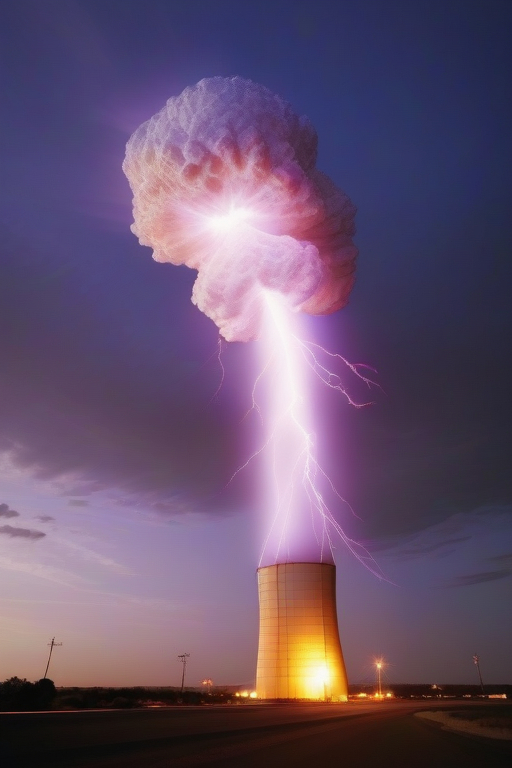
Understanding EMP: Threats, Causes, and Protective Measures for Modern Technology
In today’s interconnected world, our reliance on technology is more significant than ever. From smartphones to power grids, our daily lives are intricately woven with electronic devices. However, there exists a potential threat that could disrupt this technological ecosystem – Electromagnetic Pulse (EMP). In this blog post, we’ll delve into what EMP is, how it can be created, the causes behind it (both manmade and natural), the dangers it poses to modern technology, and basic protective measures that can be taken to safeguard against its effects.
What is an EMP?
An Electromagnetic Pulse (EMP) is a burst of electromagnetic radiation that can disrupt, damage, or destroy electronic devices and systems. This phenomenon can occur naturally or be generated artificially through various means.
Creation of EMP
- Manmade EMP: One of the primary methods of creating a manmade EMP is through the detonation of a nuclear weapon at high altitudes. When a nuclear explosion occurs in the atmosphere, it releases an intense burst of gamma rays, which interact with the Earth’s magnetic field, generating an EMP that can affect electronic devices over a wide area.
- High-Powered Microwave (HPM) Devices: Certain devices designed to emit high-powered microwave radiation can also generate EMP-like effects. These devices, often used in military applications, can disrupt or destroy electronic systems within their range.
- Geomagnetic Storms: Natural occurrences such as geomagnetic storms, caused by solar activity like coronal mass ejections (CMEs), can also produce EMP-like effects on Earth. These storms induce fluctuations in the Earth’s magnetic field, potentially leading to power grid failures and damage to electronic equipment.
Dangers to Modern Technology
The dangers posed by EMP to modern technology are significant and far-reaching:
- Disruption of Communication Networks: EMP can disrupt communication networks, including telecommunications, internet infrastructure, and emergency communication systems, hindering essential services and response efforts during crises.
- Damage to Critical Infrastructure: Essential infrastructure such as power grids, transportation systems, and financial institutions are vulnerable to EMP effects, which can lead to widespread outages and economic disruption.
- Impact on Transportation: Modern vehicles rely heavily on electronic systems for operation. An EMP event could disable vehicles’ ignition systems, electronic fuel injection, and other critical components, rendering them inoperable.
Protective Measures
While no protection is absolute against EMP, there are basic measures that can mitigate its effects on cars, houses, and home electronics:
- Faraday Cages: Constructing or purchasing a Faraday cage can shield electronic devices from the effects of EMP. A Faraday cage is an enclosure made of conductive material that prevents electromagnetic radiation from penetrating its interior.
- Transient Voltage Suppressors: Installing transient voltage suppressors (TVS) or surge protectors on power lines and communication cables can help mitigate the effects of EMP-induced voltage spikes on home electronics.
- Vehicle Protection: To protect vehicles from EMP, certain aftermarket products such as EMP shielding bags or installing additional shielding around critical electronic components can be considered.
- Backup Power Systems: Having backup power systems such as uninterruptible power supplies (UPS) or backup generators can help maintain essential services during power outages caused by EMP events.
Conclusion
EMP poses a significant threat to modern technology and society as a whole. Understanding its nature, causes, and potential impacts is crucial for implementing effective protective measures. While complete protection against EMP may be challenging, adopting basic precautions can help mitigate its adverse effects on electronic devices and critical infrastructure, ensuring greater resilience in the face of this potential threat.